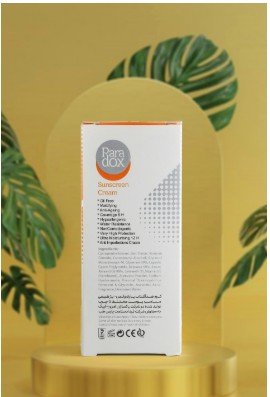
What Are Parabens?
Parabens are a class of synthetic compounds widely utilized as preservatives due to their antimicrobial properties. Chemically, they are esters of para-hydroxybenzoic acid, with several variants including methylparaben, ethylparaben, propylparaben, and butylparaben. Their primary function is to inhibit the growth of bacteria, mold, and yeast in various products, thereby prolonging their shelf life and ensuring safety for consumers.
These compounds are prevalent in a vast array of products, particularly in cosmetics and personal care items such as lotions, shampoos, and makeup. The reason for their widespread use stems from their effectiveness, stability, and relatively low cost. By preventing microbial contamination, parabens play an essential role in maintaining product integrity, thus ensuring that consumers use safe products without the risk of harmful microbial growth.
Additionally, parabens have gained a reputation for their role in enhancing the stability of formulas, which allows manufacturers to create a variety of textures and finishes in cosmetic products. For instance, water-based formulations benefit from the use of parabens to maintain their quality without affecting the product’s overall performance. Despite their advantages, there has been increasing scrutiny regarding parabens and their classification as endocrine disruptors. Some studies have suggested that these compounds can mimic estrogen, potentially causing hormonal imbalances in humans. This concern has led to a rise in consumer demand for paraben-free products and a notable shift in industry practices as brands respond to public apprehension.
The Mechanism of Endocrine Disruption
Parabens, a class of commonly used preservatives in cosmetics and personal care products, have garnered attention due to their potential role as endocrine disruptors. These compounds function effectively in preventing microbial growth, but their structural similarity to estrogen raises significant concerns regarding their impact on the endocrine system. When parabens are absorbed into the body, they can bind to estrogen receptors, which interferes with the normal hormonal function.
This mimicry of estrogen can lead to an array of hormonal imbalances. When parabens bind to the receptor sites, they may trigger an estrogenic response, leading the body to react as though it is experiencing the effects of estrogen hormone. Such interference can disrupt the delicate balance of hormones, potentially affecting reproductive health and contributing to conditions such as breast cancer or reproductive disorders. Moreover, it can have cascading effects on developmental processes, particularly during critical periods such as puberty and pregnancy.
The biological pathways impacted by parabens are multifaceted. Research indicates that parabens can influence the synthesis and metabolism of several hormones, including thyroid hormones. Thyroid hormone disruption can manifest as alterations in growth and development, metabolism, and cognitive functioning. Furthermore, the ubiquitous nature of these compounds means that continuous exposure can accumulate in human tissue, leading to chronic implications for health.
While various studies are ongoing, the evidence implicating parabens as endocrine disruptors is compelling. Health professionals and researchers are calling for more stringent regulations regarding the use of parabens, particularly in products intended for vulnerable populations such as children and pregnant women. It is imperative to understand the mechanisms of endocrine disruption to mitigate potential risks posed by these widely used chemicals.
Scientific Evidence and Studies on Parabens
Parabens, a group of synthetic compounds often used as preservatives in cosmetics and personal care products, have been scrutinized extensively due to their potential role as endocrine disruptors. Research has indicated that parabens can mimic estrogen, a key hormone in the human body, potentially leading to adverse reproductive and developmental effects. A notable study published in the Journal of Applied Toxicology found traces of five different parabens in human breast tissue. This research raised concerns regarding their bioaccumulation and possible contributions to breast cancer, although it should be noted that direct causation has yet to be firmly established.
In another important investigation, scientists at the University of Reading examined the effects of parabens on laboratory animals. Their findings suggested that exposure to certain parabens resulted in disrupted hormonal functions and developmental issues in offspring. This aligns with evidence surrounding the endocrine-disrupting properties of these compounds, highlighting the need for further exploration into the mechanisms by which parabens may affect the endocrine system.
However, the discourse surrounding the safety of parabens is ongoing and complex. Some researchers argue that the levels of exposure typical in consumer products are too low to pose significant health risks. A review article published in the Journal of Environmental Health Perspectives concluded that while parabens can exhibit endocrine-disrupting activities in laboratory settings, the implications for human health remain uncertain, particularly given the concentration levels encountered in daily use products.
Overall, while numerous studies have linked parabens to potential health risks associated with endocrine disruption, contrasting viewpoints emphasize the complexity of establishing a clear cause-and-effect relationship. The variations in findings suggest a need for comprehensive regulatory evaluations and continued research to better understand the implications of parabens on human health and the endocrine system.
Regulatory Perspectives and Public Health Recommendations
The regulatory perspectives on parabens, a class of compounds frequently used as preservatives in personal care products, vary significantly across the globe. In the United States, the Food and Drug Administration (FDA) has recognized the widespread use of parabens and maintains that they are generally recognized as safe when used in low concentrations. However, the FDA also encourages ongoing research to assess their potential endocrine-disrupting effects, as parabens can mimic estrogen in the body, raising concerns about their cumulative exposure over time.
In contrast, the European Union takes a more precautionary approach regarding paraben use. The EU’s Regulation on Cosmetic Products mandates stricter limits on certain parabens and has prohibited the use of others, specifically propylparaben and butylparaben, in cosmetics. This regulatory variation reflects a growing concern about how endocrine disruptors, including parabens, might pose risks to human health, particularly vulnerable populations such as pregnant women and children.
Public health recommendations are increasingly advocating for a cautious stance towards the use of parabens in personal care items. Numerous health organizations suggest that consumers be mindful of the products they use, especially those containing known endocrine disruptors. This has spurred a notable trend towards paraben-free labels in the industry, with many brands opting to develop formulations devoid of these chemicals to cater to consumer demand for safer alternatives.
Consumer awareness surrounding parabens has significantly increased, fueled by advocacy groups that highlight the potential risks associated with these compounds. As a result, many consumers are now more informed about the ingredients in their personal care products and are actively seeking options that avoid endocrine disruptors. This shift not only influences purchasing decisions but also encourages manufacturers to reconsider their formulations in light of public health recommendations.