🌱 Diindolylmethane (DIM): The Cruciferous Compound Transforming Hormone Health
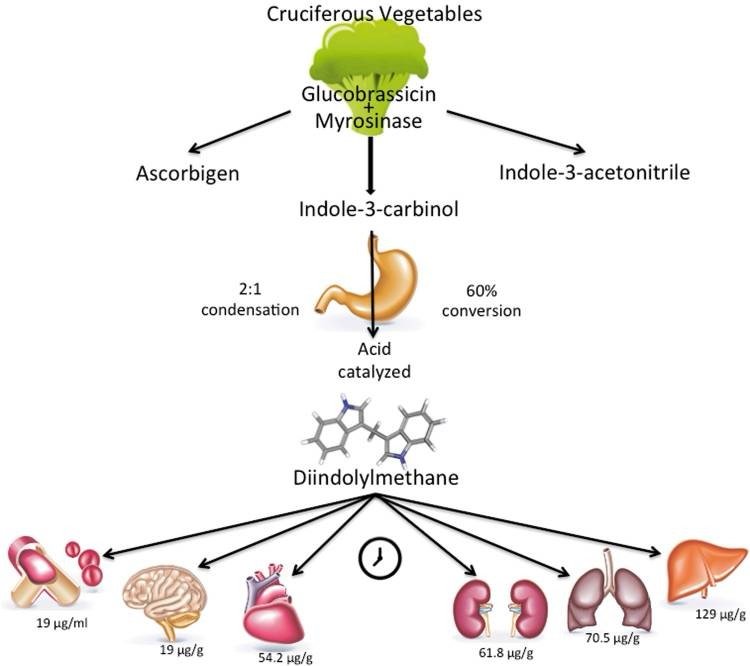
Hormone health is one of the hottest topics in wellness today, and Diindolylmethane (DIM) is getting attention as a natural supplement for balancing estrogen, supporting weight management, and even reducing cancer risk. Found naturally in cruciferous vegetables like broccoli, kale, and Brussels sprouts, DIM is a compound formed during the digestion of indole-3-carbinol (I3C)—another beneficial plant compound.
So what makes DIM so powerful? Let’s dive into the science, research, and why this supplement might be worth adding to your health stack.
🔬 What is Diindolylmethane (DIM)?
- Source: Derived from cruciferous vegetables (broccoli, cauliflower, Brussels sprouts, kale, cabbage).
- Formation: DIM forms in the stomach when enzymes break down indole-3-carbinol.
- Function: Helps the body metabolize estrogen into “healthier” forms, influencing hormone balance and detoxification.
⚖️ DIM and Estrogen Balance
Estrogen dominance—where estrogen levels are high relative to progesterone—can contribute to:
- PMS & mood swings
- Weight gain
- Endometriosis
- Fibroids
- Hormone-driven cancers
How DIM Helps
Research suggests that DIM promotes the conversion of estradiol (a stronger estrogen) into 2-hydroxyestrone (a weaker, “good” estrogen) while reducing the production of 16-alpha-hydroxyestrone (a “bad” estrogen) linked with cancer growth【NIH Clinical Trials】.
📊 DIM vs Indole-3-Carbinol (I3C)
| Feature | DIM | Indole-3-Carbinol (I3C) |
|---|---|---|
| Stability | More stable in the body | Less stable, breaks down quickly |
| Supplement Form | Direct form, higher bioavailability | Precursor form, requires stomach acid conversion |
| Research | More studied for estrogen metabolism | Limited but promising research |
| Best For | Consistent estrogen balance | General cruciferous intake support |
🧪 DIM and Cancer Research
- Breast Cancer: DIM has been studied for its ability to reduce estrogen metabolites linked to tumor growth. A 2004 trial found DIM supplementation increased “good” estrogen metabolites in women【Journal of Nutrition】.
- Prostate Cancer: DIM may slow prostate cancer cell growth by blocking androgen receptors【Cancer Research Journal】.
- Cervical Health: Some studies suggest DIM supplementation supports regression of cervical dysplasia, often linked to HPV【International Journal of Oncology】.
While more large-scale clinical trials are needed, early results are promising.
💪 DIM for Men
DIM isn’t just for women. For men, DIM may:
- Reduce estrogen dominance (common with weight gain and aging).
- Support testosterone levels by preventing excess conversion into estrogen.
- Aid prostate health—studies suggest DIM may slow prostate cancer progression.
🌟 DIM Benefits at a Glance
| Benefit | Supported by Research? |
|---|---|
| Balances estrogen metabolism | ✅ Multiple human trials |
| Supports weight management | ⚠️ Early studies, mixed evidence |
| Improves PMS & menopause symptoms | ✅ Small clinical trials |
| May reduce cancer risk | ✅ Observational & lab studies |
| Prostate health support | ✅ Preclinical & early clinical data |
⚠️ Side Effects and Safety
DIM is generally safe at doses of 100–300 mg/day. Potential side effects include:
- Headaches
- Nausea
- Dark urine (harmless, due to metabolite excretion)
Always consult a healthcare provider before supplementing, especially if taking hormone therapies, birth control, or cancer medications.
🛒 Top DIM Supplements to Consider
- Thorne Research DIM Advantage – high bioavailability formula
- NOW Foods DIM 200 mg – budget-friendly option
- Designs for Health DIM-Evail – softgel with enhanced absorption
🌍 Final Thoughts
Diindolylmethane (DIM) is a fascinating natural compound with growing evidence for its role in hormone balance, estrogen metabolism, and cancer prevention. While more research is needed, DIM supplements—especially when paired with a diet rich in cruciferous vegetables—are becoming a cornerstone in functional medicine and holistic wellness.