The Elimination Diet: Reset Your Health and Discover What’s Really Going On
If you’ve ever dealt with mystery symptoms like bloating, fatigue, skin breakouts, migraines, or joint pain, you might have wondered if food was the culprit. That’s where an elimination diet comes in—it’s like hitting the reset button on your health. By temporarily removing certain foods and then slowly reintroducing them, you can figure out exactly what your body does (and doesn’t) tolerate.
Think of it as detective work for your gut, hormones, and overall wellness.
What is an Elimination Diet?
An elimination diet is a short-term eating plan where you remove common trigger foods that are known to cause inflammation, digestive issues, or allergic reactions. After a few weeks, you reintroduce them one at a time to see how your body responds.
This isn’t about cutting calories or dieting to lose weight—it’s about uncovering hidden food sensitivities and giving your body a chance to heal.
Foods Commonly Eliminated
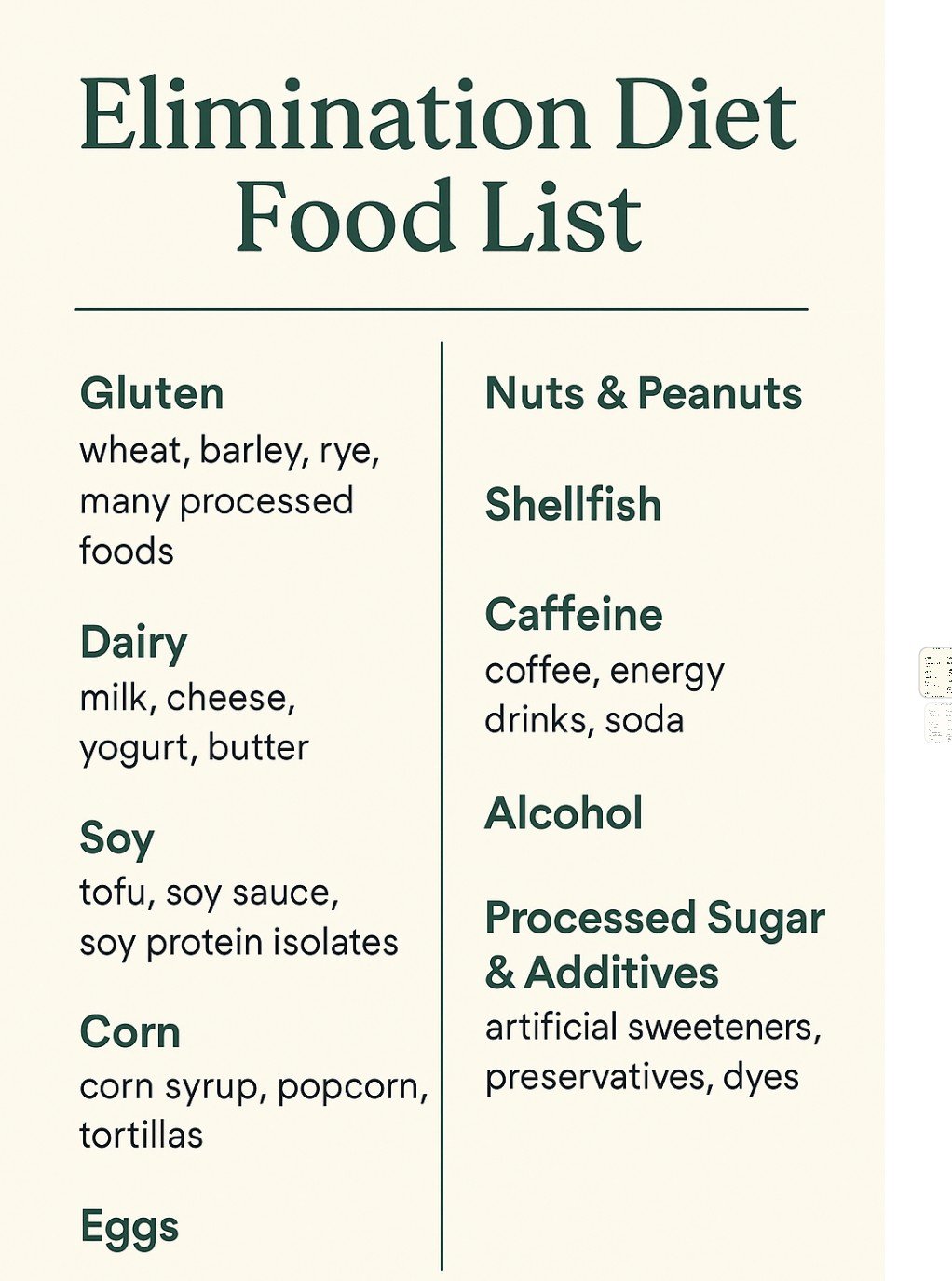
Here’s a list of foods often avoided during an elimination diet:
- Gluten (wheat, barley, rye, many processed foods)
- Dairy (milk, cheese, yogurt, butter)
- Soy (tofu, soy sauce, soy protein isolates)
- Corn (corn syrup, popcorn, tortillas)
- Eggs
- Nuts & peanuts
- Shellfish
- Caffeine (coffee, energy drinks, soda)
- Alcohol
- Processed sugar & additives (think artificial sweeteners, preservatives, dyes)
Many people are shocked at how much better they feel after just 2–3 weeks without these foods.
Benefits of an Elimination Diet
✔️ Improved digestion and less bloating
✔️ Clearer skin
✔️ Better energy levels
✔️ Reduction in headaches or migraines
✔️ Decreased joint pain and inflammation
✔️ Hormone balance support
✔️ Stronger gut health
And yes—many people notice a little natural weight loss as inflammation goes down.
How to Start an Elimination Diet
- Plan ahead – Write down the foods you’ll cut and prep meals in advance.
- Commit for 3–6 weeks – It takes time for inflammatory foods to clear from your system.
- Reintroduce one food at a time – Wait 3 days before testing the next food, and take notes.
- Track symptoms – Keep a journal for bloating, headaches, skin changes, energy levels, or sleep patterns.
Pro tip: Don’t reintroduce foods right before a busy workweek or vacation. Timing matters.
Top Products to Make an Elimination Diet Easier
Starting out can feel overwhelming, but these products can save you time, money, and stress:
- Young Living Einkorn Flour – A clean, ancient grain that’s naturally lower in gluten and easier to digest.
- Nutpods Dairy-Free Creamer – A lifesaver if you’re cutting dairy but love your morning coffee ritual.
- Primal Kitchen Mayo (Avocado Oil Based) – No soy, no canola, no junk oils.
- Siete Almond Flour Tortillas – A gluten- and corn-free alternative for taco nights.
- Vital Proteins Collagen Peptides – Great for gut healing and protein support.
- Thrive Market Membership – Makes it easy to source allergen-friendly pantry staples.
- Organic Bone Broth (Kettle & Fire) – Perfect for soothing the gut and reducing inflammation.
Who Should Try an Elimination Diet?
- People with IBS, leaky gut, or digestive discomfort
- Those struggling with skin issues like eczema or acne
- Anyone with autoimmune conditions
- People experiencing unexplained fatigue, migraines, or joint pain
- Anyone curious about food sensitivities but wanting a natural, DIY approach before costly testing
Final Thoughts
An elimination diet isn’t forever—it’s a tool. By removing trigger foods, you’ll gain clarity on what truly works for your body. Most importantly, you’ll feel empowered to make food choices that support your long-term health.
If you’re tired of guessing what’s behind your symptoms, this may be the simplest (and cheapest) health reset you’ve ever tried.