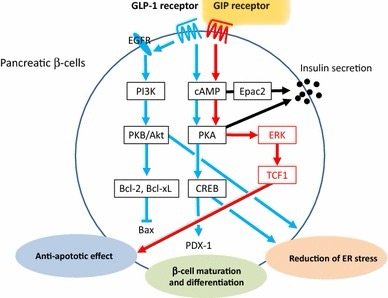
GIP Mechanism of Action
Most people have heard of GLP-1 thanks to blockbuster weight loss drugs like semaglutide, but there’s another incretin hormone you should know about: GIP (glucose-dependent insulinotropic polypeptide). This powerful hormone works alongside GLP-1 to regulate blood sugar and metabolism — and it’s becoming a key target in the next generation of medications, including tirzepatide (Mounjaro, Zepbound) and retatrutide.
So, what exactly is GIP, how does it work, and why is it getting so much attention in metabolic health and weight loss research? Let’s dive in.
🔹 What is GIP?
GIP is an incretin hormone secreted by the small intestine after you eat. Like GLP-1, its main job is to help control blood glucose levels by stimulating insulin release. But GIP has unique effects on fat metabolism and may play a role in energy balance and obesity.
🔹 How Does GIP Work in the Body?
- Stimulates Insulin Release
When glucose enters the bloodstream after a meal, GIP triggers the pancreas to secrete insulin. This process is glucose-dependent, meaning it only happens when sugar is present — reducing the risk of hypoglycemia. - Enhances Fat Storage
Unlike GLP-1, GIP also promotes fat storage in adipose tissue. This used to be seen as “bad,” but new research shows it may actually protect other organs (like the liver and muscles) from harmful fat buildup. - Supports Bone Health
Studies suggest GIP receptors are present in bone tissue, where the hormone may help improve bone strength and density. - Works with GLP-1 for Better Results
On its own, GIP isn’t as powerful for weight management. But when combined with GLP-1 in drugs like tirzepatide, the two hormones amplify each other’s benefits, leading to impressive improvements in weight loss and blood sugar control.
🔹 Why Natural GIP Isn’t Enough
Like GLP-1, natural GIP is broken down quickly in the body by the enzyme DPP-4. That makes it hard to use directly as a therapy. Pharmaceutical scientists designed GIP receptor agonists and dual agonists (GLP-1/GIP drugs) that last much longer in the bloodstream and have stronger effects.
🔹 GIP in Modern Medications
- Tirzepatide (Mounjaro, Zepbound) → Dual GLP-1 and GIP agonist, shown to lower blood sugar and drive significant weight loss.
- Retatrutide (in clinical trials) → Triple agonist (GLP-1, GIP, and glucagon) showing even greater metabolic benefits.
These therapies highlight how targeting GIP alongside GLP-1 creates a more powerful effect than either hormone alone.
🔹 Benefits of GIP-Targeting Drugs
- Better blood sugar regulation
- Enhanced insulin sensitivity
- Significant weight loss when combined with GLP-1
- Possible bone-strengthening effects
- Protection against fatty liver disease
🔹 Potential Downsides
Because GIP can promote fat storage, it was once thought to contribute to obesity. But in drug form, when paired with GLP-1, it seems to reprogram fat metabolism in a healthier way. Common side effects overlap with GLP-1 drugs:
- Nausea or GI upset
- Appetite changes
- Rare risk of pancreatitis
🔹 The Future of GIP Research
Scientists are still unlocking all of GIP’s roles in metabolism. Early evidence suggests it may influence appetite regulation, fat distribution, and even bone health. As dual- and triple-agonist drugs continue clinical trials, expect GIP to become just as well-known as GLP-1 in the world of obesity, diabetes, and metabolic therapies.
🔹 Takeaway
GIP may not be a household name yet, but it’s a critical incretin hormone that works hand-in-hand with GLP-1 to balance blood sugar, support metabolism, and impact weight. With next-generation therapies harnessing both hormones, GIP is stepping into the spotlight as a major player in the fight against type 2 diabetes and obesity.