If you’ve been hearing about GLP-1 medications like semaglutide (Ozempic, Wegovy) or tirzepatide (Mounjaro, Zepbound), you’re not alone. These incretin-based therapies are at the center of conversations about weight loss, type 2 diabetes, and metabolic health. But what exactly is GLP-1, and how does it affect your body? Let’s break it down in simple terms.
🔹 What is a GLP-1?
GLP-1 stands for glucagon-like peptide-1. It’s a natural hormone, part of a group called incretins, released by your gut after you eat. Its job is to help your body regulate blood sugar, appetite, and digestion.
Your body makes GLP-1 every time food enters your intestines. The hormone only lasts a couple of minutes before enzymes break it down, which is why scientists had to design GLP-1 receptor agonist drugs to mimic and extend its benefits.
🔹 How Does GLP-1 Work in the Body?
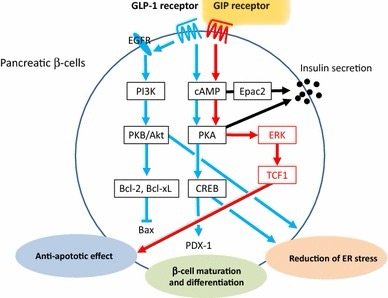
- Boosts Insulin Secretion
GLP-1 tells the pancreas to release more insulin — but only when blood sugar is high. That means it lowers glucose without causing dangerous crashes. - Suppresses Glucagon
Normally, glucagon raises blood sugar. GLP-1 turns this down, preventing unnecessary sugar release from the liver. - Slows Gastric Emptying
Food leaves your stomach more slowly, which leads to better blood sugar control and a feeling of fullness. - Reduces Appetite
GLP-1 signals the brain’s hunger centers, helping reduce cravings and calorie intake. This is why people taking drugs like semaglutide often experience significant weight loss. - Supports Cardiovascular Health
Studies show GLP-1 agonists may lower blood pressure, improve cholesterol, and reduce risk of heart attack and stroke in people with type 2 diabetes.
🔹 Why Natural GLP-1 Isn’t Enough
The body’s natural GLP-1 is broken down in just 1–2 minutes by the enzyme DPP-4. That’s far too short to be therapeutic. Pharmaceutical scientists modified GLP-1’s amino acid sequence to make long-acting versions that stay active for hours or days.
That’s how we ended up with medications like:
- Liraglutide (daily injection)
- Semaglutide (weekly injection or daily pill)
- Tirzepatide (weekly injection, also targets GIP hormone)
- Retatrutide (in clinical trials, hits GLP-1, GIP, and glucagon receptors)
🔹 Benefits of GLP-1 Medications
- Better blood sugar control in type 2 diabetes
- Clinically proven weight loss
- Lowered risk of cardiovascular disease
- Improved insulin sensitivity
- Reduced hunger and fewer cravings
🔹 Potential Side Effects
Like any medication, GLP-1 receptor agonists aren’t perfect. The most common side effects include:
- Nausea or vomiting
- Diarrhea or constipation
- Loss of appetite (sometimes too strong)
- Rare but serious: pancreatitis or gallbladder issues
🔹 The Future of GLP-1 Therapies
We’ve gone from single-target drugs like liraglutide to dual and triple agonists like tirzepatide and retatrutide. The goal? More weight loss, better blood sugar control, and fewer side effects. Researchers are also exploring GLP-1’s effects on the brain, liver, and even longevity.
🔹 Takeaway
GLP-1 is a powerful natural hormone that regulates blood sugar, slows digestion, and helps control appetite. By mimicking and enhancing its effects, medications like semaglutide and tirzepatide are transforming treatment for diabetes, obesity, and metabolic health.
Whether you’re interested in weight management, cardiovascular protection, or blood sugar support, GLP-1 agonists represent one of the most exciting advances in modern medicine.