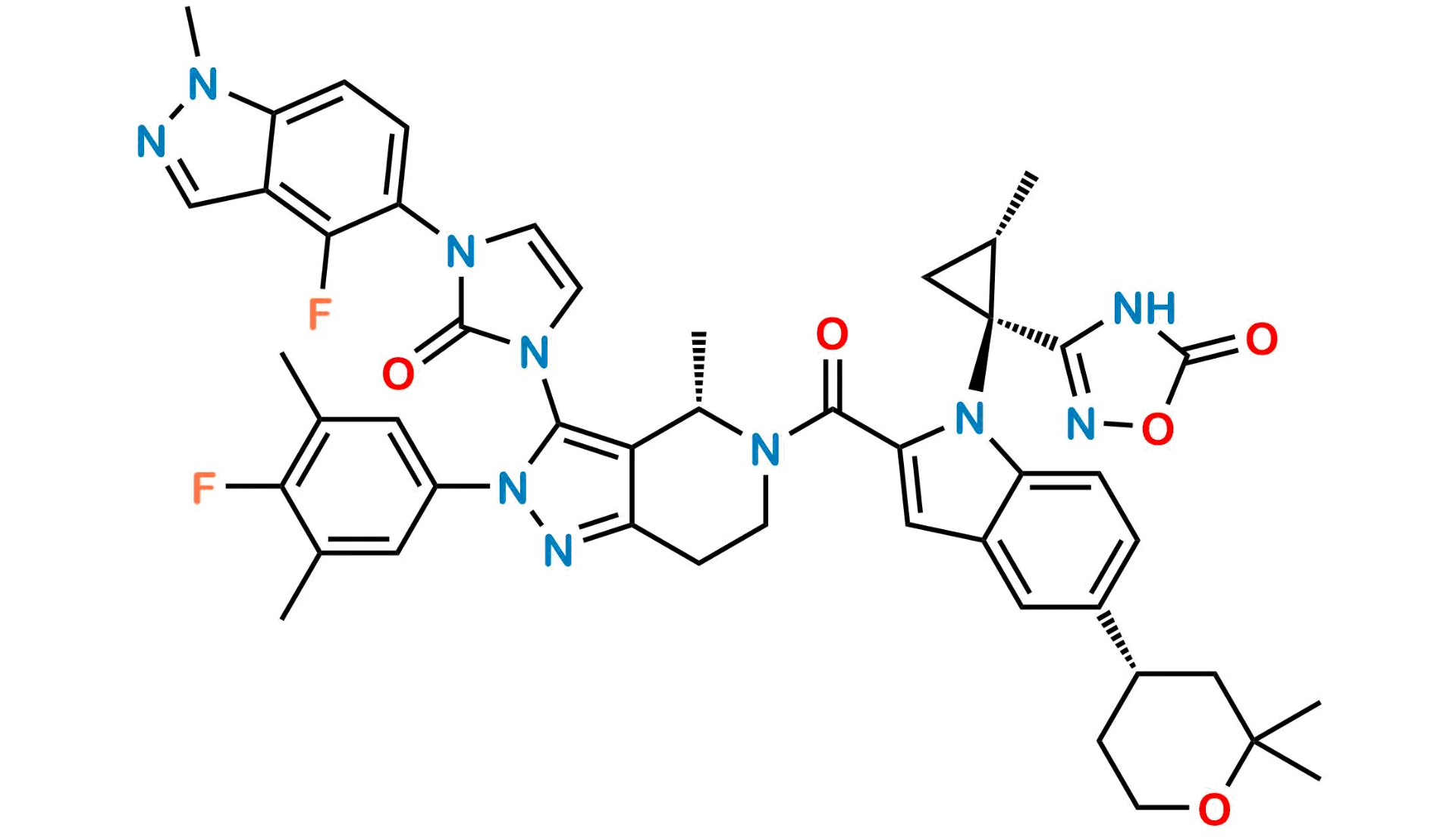
Glucagon Receptor Mechanism
When people talk about blood sugar control, insulin usually gets all the attention. But there’s another key player you need to know about: glucagon. While insulin lowers blood sugar, glucagon does the opposite — it raises blood sugar when levels get too low. This balancing act is made possible by the glucagon receptor, a critical protein that helps regulate energy, metabolism, and even fat burning.
Let’s break down how the glucagon receptor works, what happens when it’s activated, and why researchers are now targeting it in next-generation weight loss and diabetes therapies.
🔹 What is the Glucagon Receptor?
The glucagon receptor (GCGR) is a protein found mainly in the liver, but also in kidneys, fat tissue, and even parts of the heart. It belongs to the G protein–coupled receptor (GPCR) family — a group of receptors that sit on the surface of cells and respond to hormones.
When glucagon (a hormone made by the pancreas) binds to the receptor, it kicks off a cascade of signals that increase blood glucose and mobilize energy reserves.
🔹 How Does the Glucagon Receptor Work?
- Glucagon Binding
After a period of fasting, exercise, or low blood sugar, the pancreas releases glucagon into the bloodstream. Glucagon then binds to the glucagon receptor in the liver. - Signal Activation
This triggers the G protein–cAMP pathway, increasing levels of cyclic AMP (cAMP), a “messenger molecule” inside the cell. - Glucose Release
The liver responds by:- Breaking down glycogen (stored sugar) into glucose (glycogenolysis)
- Making new glucose from amino acids and fats (gluconeogenesis)
The result? Blood sugar rises to provide energy for muscles and the brain.
- Fat and Energy Metabolism
Beyond glucose, glucagon receptor activation also stimulates fat breakdown (lipolysis) and increases energy expenditure, making it a target for obesity and metabolic drug development.
🔹 How Does the Glucagon Receptor Affect the Body?
- Blood Sugar Regulation: Prevents hypoglycemia by raising glucose when insulin levels drop.
- Energy Mobilization: Ensures fuel is available during fasting, exercise, or stress.
- Fat Metabolism: Encourages fat breakdown and may help prevent fat buildup in the liver.
- Appetite and Weight: In combination with GLP-1 and GIP, glucagon receptor activation can help boost calorie burning while controlling hunger.
🔹 Glucagon Receptor in Modern Medicine
Historically, too much glucagon receptor activation was linked to type 2 diabetes (since high glucagon raises blood sugar). But researchers now see potential in controlled activation, especially when combined with GLP-1 and GIP receptor drugs.
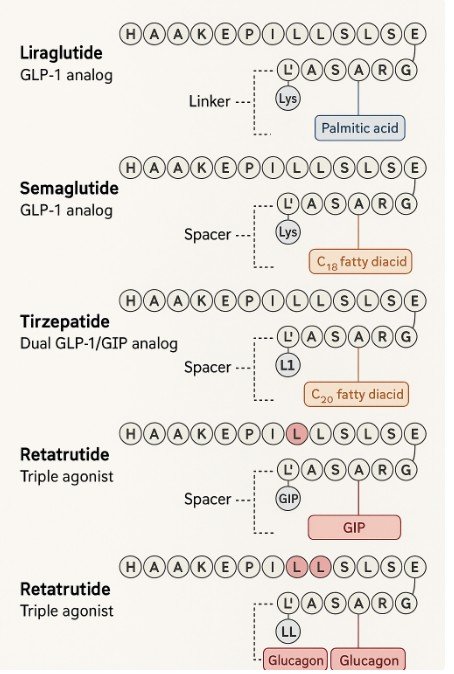
- Retatrutide → a triple agonist (GLP-1, GIP, and glucagon receptor), showing strong weight loss effects in clinical trials.
- Dual GLP-1/glucagon agonists → being studied for obesity and fatty liver disease, aiming to burn fat while improving blood sugar balance.
🔹 Benefits of Glucagon Receptor Targeting
- Prevents dangerous drops in blood sugar
- Boosts fat burning and energy expenditure
- Helps regulate liver metabolism
- May protect against fatty liver disease
- When combined with GLP-1, can enhance weight loss and appetite control
🔹 Potential Downsides
- Overactivation can cause hyperglycemia (too much blood sugar)
- May increase heart rate or blood pressure in some cases
- Needs careful balancing with insulin and GLP-1 pathways
🔹 Takeaway
The glucagon receptor is a vital regulator of blood sugar and metabolism, working as the natural counterbalance to insulin. While it was once seen as a problem in diabetes, today it’s being re-imagined as a therapeutic target for obesity, fatty liver, and metabolic disease.
By combining glucagon receptor activation with GLP-1 and GIP pathways, scientists are designing powerful new medications that control appetite, burn fat, and optimize blood sugar — potentially transforming the way we treat metabolic disorders.