What to Look For (and the Best Brands to Try)
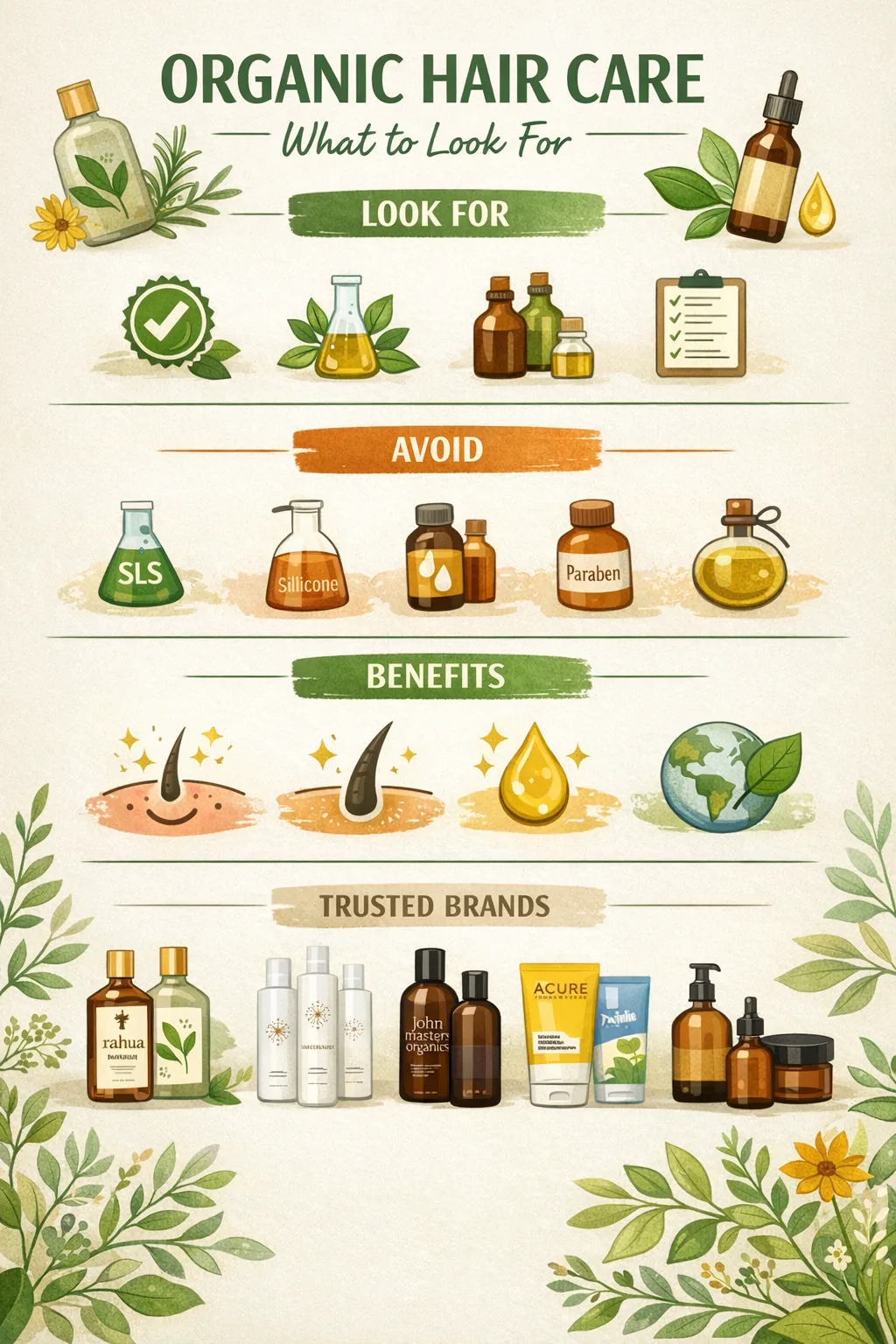
Organic hair care products have moved from niche health stores into mainstream beauty routines—and for good reason. Consumers are increasingly aware that what we put on our scalp can matter just as much as what we put in our bodies. But not every product labeled “natural” or “clean” is truly organic—or even beneficial.
In this guide, we’ll break down what organic hair care really means, how to read ingredient labels, what to avoid, and the best organic hair care brands worth your money.
What Are Organic Hair Care Products?
Organic hair care products are formulated using ingredients grown without synthetic pesticides, herbicides, GMOs, or chemical fertilizers. True organic formulations focus on plant-based oils, botanical extracts, and gentle surfactants that work with your scalp—not against it.
However, the beauty industry isn’t strictly regulated. That means marketing claims don’t always reflect ingredient quality. Understanding labels is essential.
Why Switch to Organic Hair Care?
1. Scalp Health Comes First
Your scalp is skin—and often more sensitive than your face. Harsh detergents and preservatives can disrupt the scalp microbiome, leading to dryness, itchiness, dandruff, or excess oil production.
2. Fewer Endocrine Disruptors
Many conventional hair products contain ingredients associated with hormone disruption, including certain preservatives and fragrances.
3. Long-Term Hair Integrity
Organic oils and proteins support the hair shaft instead of coating it with silicones that cause long-term dryness and breakage.
4. Environmental Impact
Organic sourcing reduces water contamination, soil degradation, and exposure to toxic agricultural chemicals.
What to Look For in Organic Hair Care Products
1. Certified Organic Ingredients (Not Just “Inspired”)
Look for certifications such as:
- USDA Organic
- COSMOS Organic
- Ecocert
A product doesn’t need to be 100% organic—but key functional ingredients should be.
2. Gentle, Plant-Derived Cleansers
Avoid sulfates. Instead, look for:
- Coconut-derived surfactants
- Sugar-based cleansers
- Amino acid–based cleansers
These cleanse without stripping the scalp’s natural oils.
3. Beneficial Oils & Botanicals
High-quality organic hair products often include:
- Jojoba oil (mimics scalp sebum)
- Argan oil (fatty acid–rich)
- Aloe vera (hydration + soothing)
- Calendula or chamomile (anti-inflammatory)
- Rosemary or peppermint (circulation support)
4. Transparent Ingredient Lists
If a brand hides behind vague terms like “proprietary blend” or “natural fragrance”, that’s a red flag. Transparency builds trust.
Ingredients to Avoid (Even in “Natural” Products)
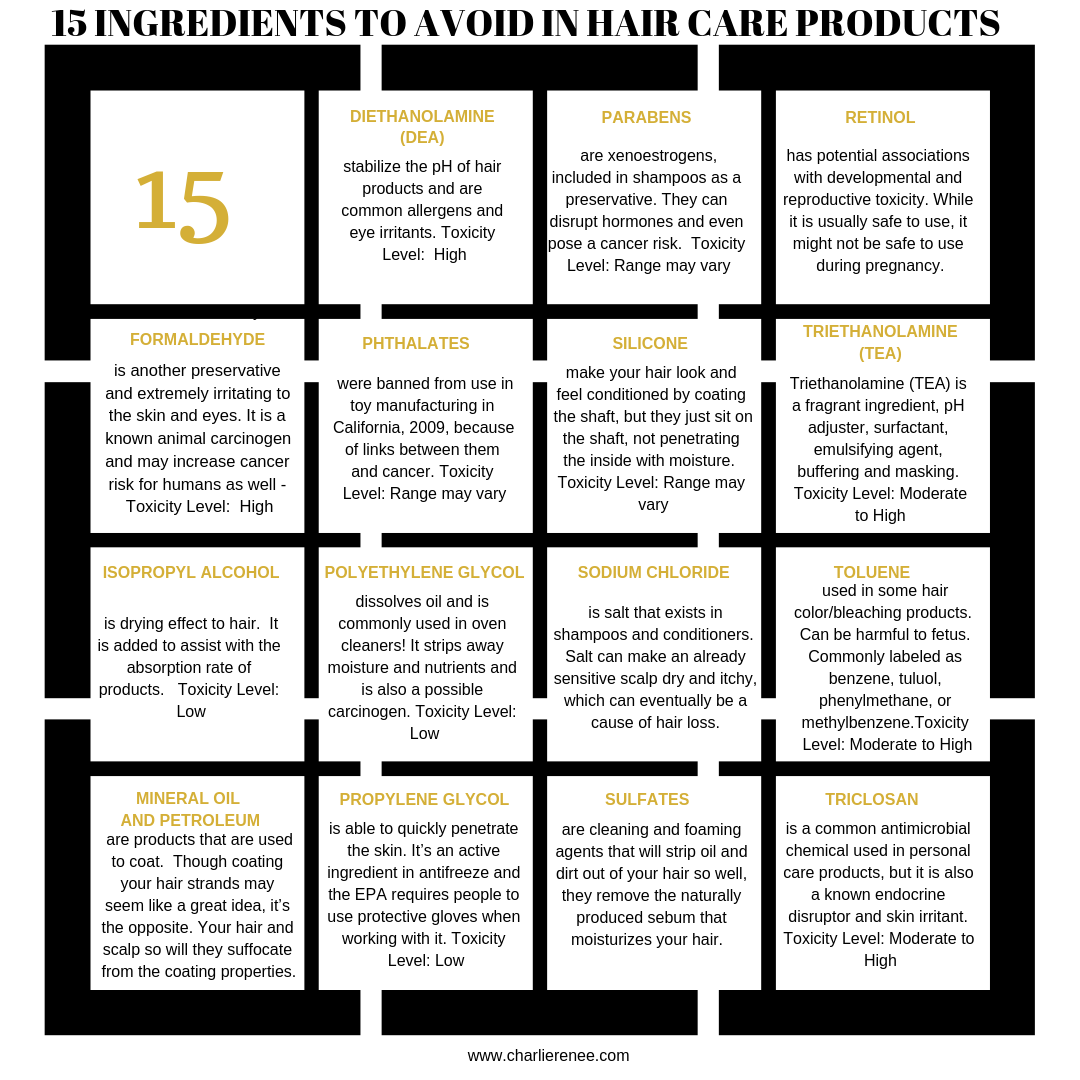
Even products marketed as clean may contain problematic additives.
Watch out for:
- SLS / SLES (harsh sulfates)
- Silicones (dimethicone, cyclopentasiloxane)
- Parabens
- Formaldehyde-releasing preservatives
- Synthetic fragrance (parfum)
These ingredients can cause buildup, dryness, irritation, and long-term scalp imbalance.
Best Organic Hair Care Brands (Trusted & Proven)
Below are well-regarded organic hair care brands known for ingredient integrity and performance.
Rahua
- Uses Amazonian rainforest ingredients
- Certified organic oils
- Excellent for dry, damaged, or color-treated hair
Innersense Organic Beauty
- Salon-grade performance
- Certified organic ingredients
- Ideal for curls, waves, and textured hair
John Masters Organics
- Long-standing pioneer in organic beauty
- USDA-certified formulas available
- Balanced options for all hair types
Acure
- Budget-friendly organic-leaning brand
- Great entry point for switching from conventional products
True Botanicals
- High-performance botanical formulations
- Best for sensitive scalps and minimal routines
Are “Natural” and “Organic” the Same?
No—and this distinction matters.
| Term | What It Means |
|---|---|
| Natural | Not legally defined; can still include synthetic ingredients |
| Organic | Ingredients grown and processed under regulated standards |
| Clean | Marketing term; varies widely by brand |
Organic is the most meaningful designation when supported by certification or transparent sourcing.
How to Transition to Organic Hair Care (Without the “Detox Panic”)
When switching from conventional products, your hair may feel different at first.
Tips for a smooth transition:
- Expect a 2–4 week adjustment period
- Clarify once (with a gentle clarifier) before switching
- Use less product—organic formulas are often more concentrated
- Focus on scalp care, not just hair length
Who Benefits Most From Organic Hair Products?
Organic hair care is especially beneficial if you:
- Have a sensitive or itchy scalp
- Experience unexplained hair shedding
- Are pregnant or postpartum
- Have children using your products
- Prefer minimal-ingredient routines
Final Thoughts: Is Organic Hair Care Worth It?
If you value long-term scalp health, ingredient transparency, and sustainable beauty, organic hair care products are absolutely worth the switch. The key is reading labels, avoiding greenwashing, and choosing brands that prioritize function over fragrance.
Organic hair care isn’t about perfection—it’s about reducing unnecessary chemical exposure while supporting your hair’s natural balance.