Turmeric, often called the “golden spice,” has been revered for centuries in traditional medicine systems such as Ayurveda and Traditional Chinese Medicine. Its bright yellow pigment comes from curcumin, the most active compound in turmeric, which is responsible for many of its researched health benefits. Over the past few decades, curcumin has gained worldwide recognition, not only as a culinary spice but also as a powerful natural compound with potential medicinal applications.
A Brief History of Turmeric and Curcumin
Turmeric (Curcuma longa) belongs to the ginger family and has been cultivated for more than 4,000 years across India and Southeast Asia. Ancient Ayurvedic texts describe turmeric as a remedy for respiratory issues, liver problems, joint pain, and digestive concerns. It was also used topically for skin health and wound healing.
Curcumin itself wasn’t isolated until 1815, when two German scientists identified it as the main yellow coloring agent in turmeric. By the 20th century, modern pharmacology began exploring curcumin for its anti-inflammatory and antioxidant effects, confirming much of what traditional medicine had long suggested.
Health Benefits of Curcumin
- Potent Anti-Inflammatory Properties
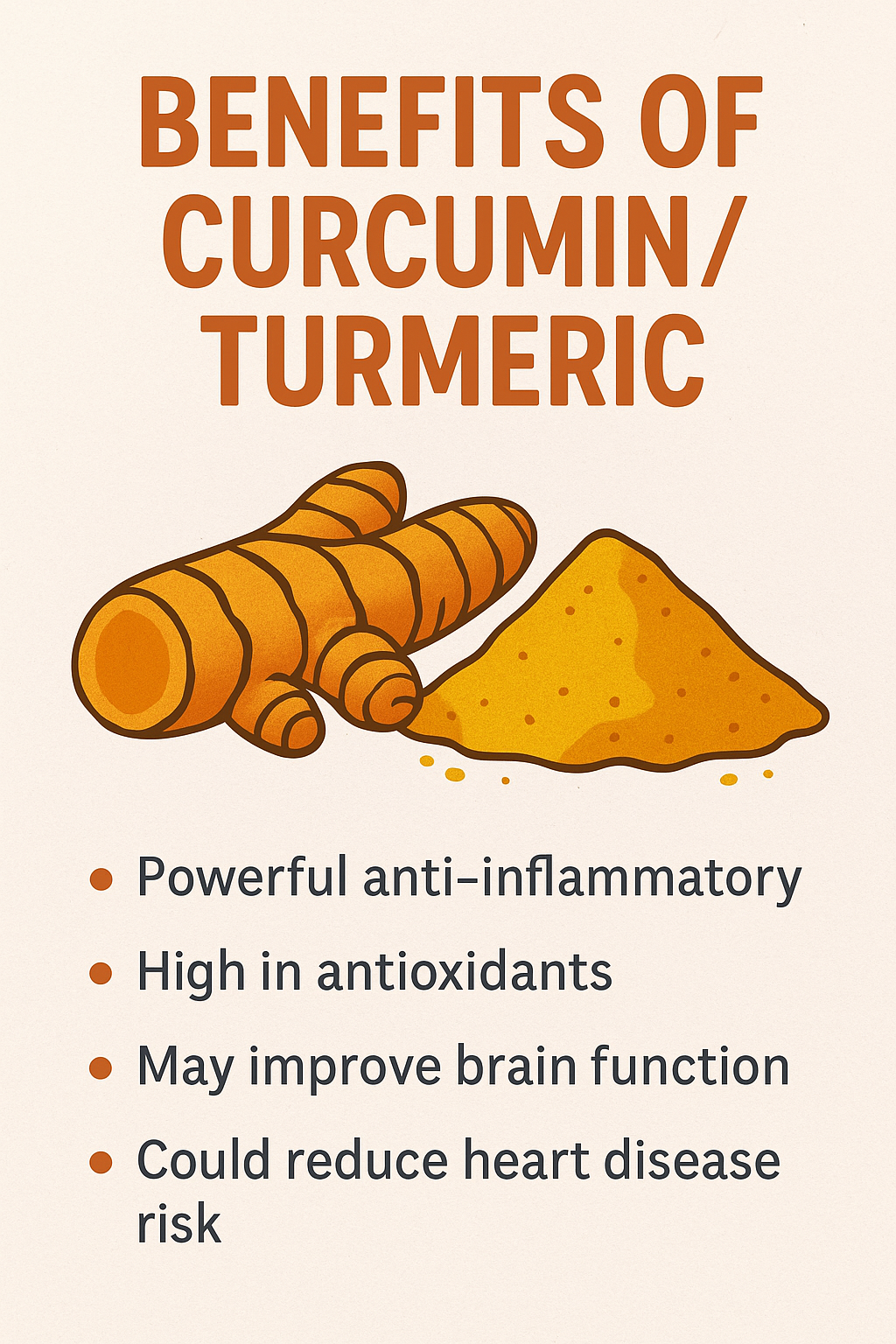
Chronic inflammation plays a role in conditions like arthritis, cardiovascular disease, and even cancer. Curcumin inhibits key molecules that trigger inflammation, such as NF-κB, making it a promising natural anti-inflammatory agent. Clinical trials have shown curcumin may reduce joint swelling and stiffness in patients with rheumatoid arthritis and osteoarthritis. - Powerful Antioxidant Effects
Free radicals cause oxidative stress, which contributes to aging and disease. Curcumin neutralizes free radicals while also boosting the body’s own antioxidant enzymes. This dual action helps protect cells from damage. - Supports Brain Function
Curcumin may increase levels of brain-derived neurotrophic factor (BDNF), a protein that supports neuron growth and repair. Low BDNF has been linked to depression and Alzheimer’s disease. Some research suggests curcumin could improve mood and cognitive function, though more human trials are needed. - Heart Health
Curcumin may help reduce risk factors for cardiovascular disease by improving endothelial function (the health of blood vessel linings), lowering LDL cholesterol, and reducing inflammation. - Digestive Support
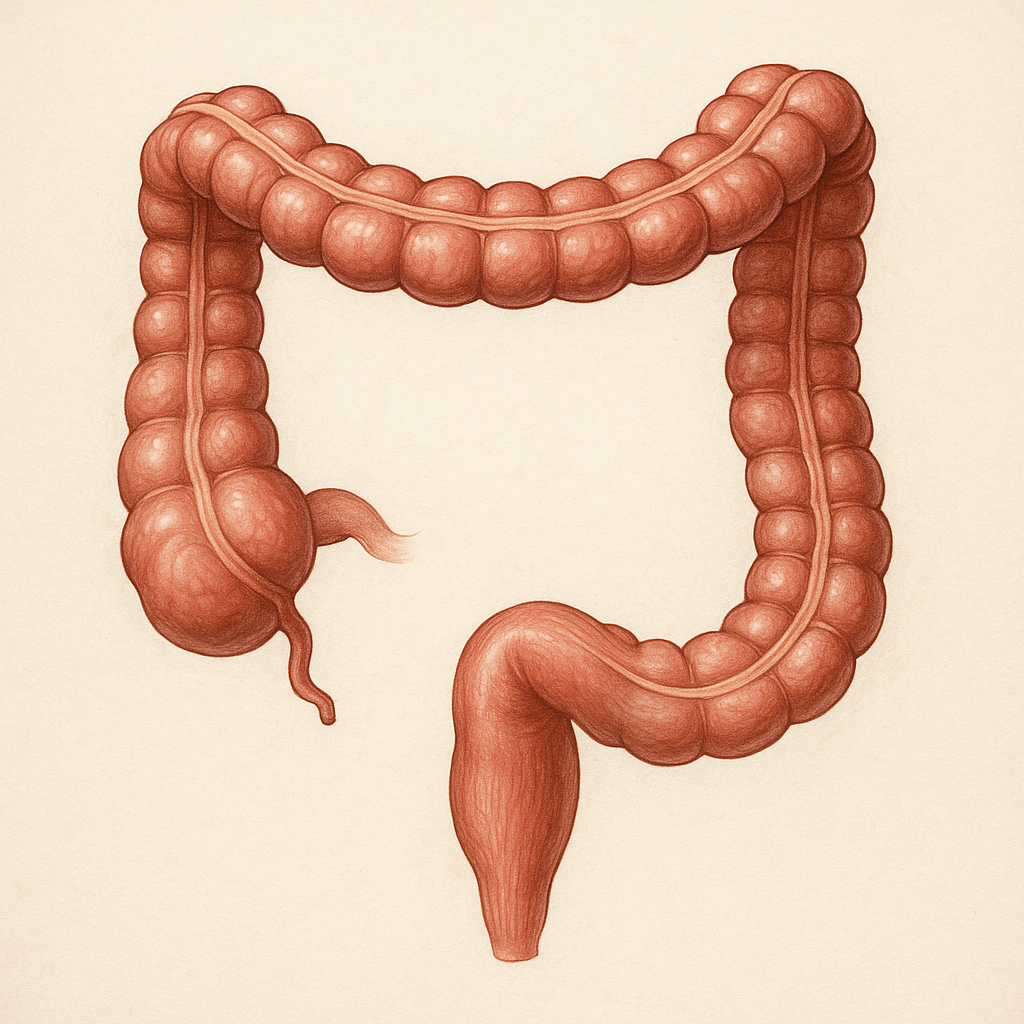
Traditionally, turmeric has been used for indigestion and gut health. Modern studies suggest curcumin may reduce symptoms of irritable bowel syndrome (IBS) and inflammatory bowel disease (IBD). - Potential Anti-Cancer Research
Lab studies show curcumin can influence cancer cell growth, development, and spread at the molecular level. While animal and cell studies are promising, more human clinical research is required before firm conclusions can be drawn.
Dosage and Absorption
One of curcumin’s main challenges is its low bioavailability. On its own, very little is absorbed into the bloodstream. However, pairing curcumin with piperine (found in black pepper) increases absorption by up to 2,000%.
- Typical supplemental dose: 500–2,000 mg/day of curcumin extract (standardized to 95% curcuminoids).
- Culinary use: Adding turmeric to food provides small amounts of curcumin but contributes to overall health when used consistently.
Always follow dosage guidelines provided by manufacturers or healthcare professionals.
Side Effects and Safety Considerations
Curcumin is generally considered safe when consumed in moderation. However, high doses or long-term supplementation may cause side effects in some people, including:
- Digestive upset (nausea, diarrhea, or bloating)
- Headache or dizziness (rare)
- Interactions with medications (blood thinners, diabetes drugs, and acid reducers)
Pregnant or breastfeeding individuals, as well as people scheduled for surgery, should consult a healthcare provider before supplementing.
Research Supporting Curcumin
Over 18,000 peer-reviewed articles have been published on curcumin, making it one of the most studied natural compounds. Clinical trials highlight its potential for arthritis relief, mood improvement, and support in metabolic disorders. While promising, researchers emphasize that curcumin should be viewed as a complementary therapy rather than a replacement for conventional treatments.
Conclusion
From its origins in ancient healing traditions to modern clinical research, curcumin has earned its place as a versatile and promising natural compound. Whether added to curries, taken as a supplement, or sipped as a golden latte, curcumin offers a wealth of potential benefits. With proper dosing and medical guidance, this golden spice may continue to bridge the gap between traditional wisdom and modern science.
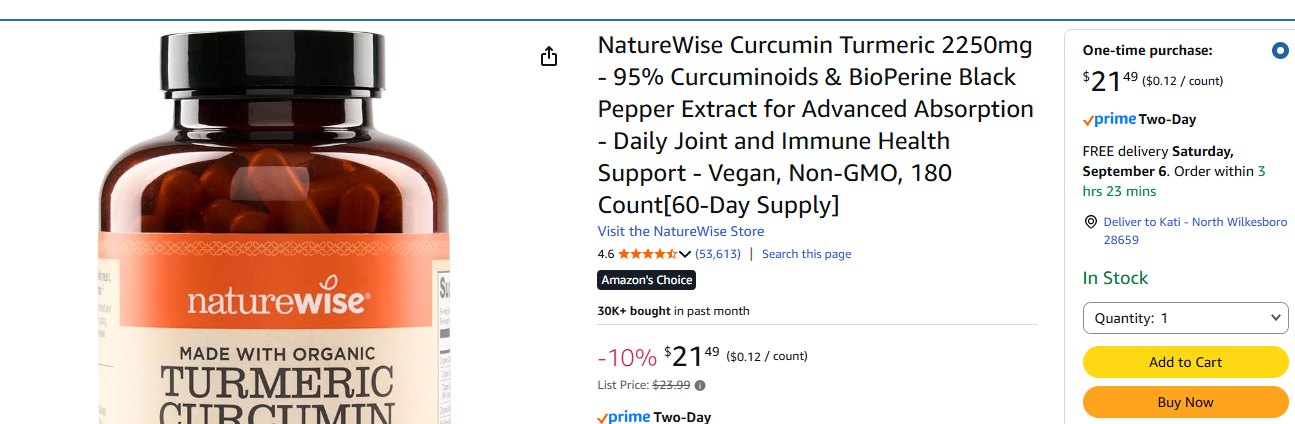
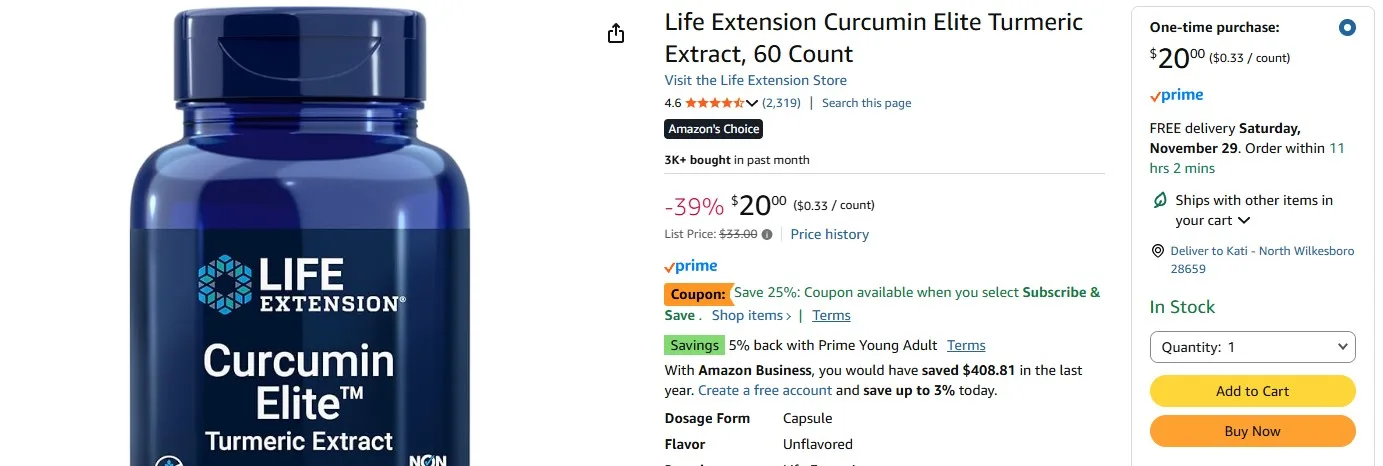
As always, i place a few items/amazon links at the bottom here. These are products i HAVE USED in the past or continue to use. We currently use the NatureWise turmeric below. Seems to work well for what i want and has a decent price point. Below it i’ve posted a few others i tried in the past. These supplements have varying price points, but in general you get what you pay for. With that being said, a good price point for me is somewhere in the 20-30 range and it seems to get me a good quality product. You could opt for some like a Pure brand item which is costlier but very high purity and quality.
If you are in the market for a turmeric supplement please use the image links below! We get credit for that and it helps the website! thanks.