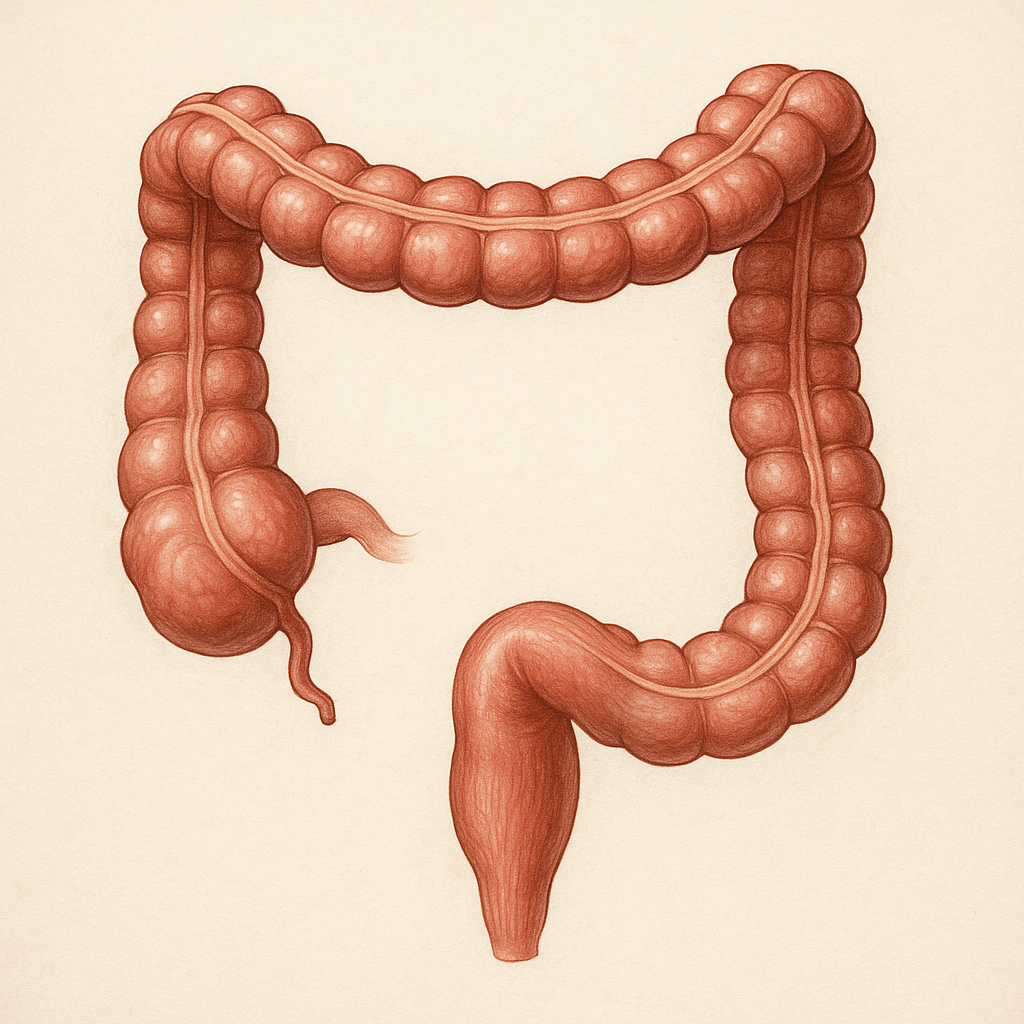
Introduction to Dieting
Dieting, as a practice, has a rich historical context that stretches back thousands of years. Initially, diets were introduced for various religious and cultural reasons rather than for weight management or improved wellness. Throughout history, various cultures have emphasized different dietary practices, often reflecting their sociocultural backgrounds and available food resources. However, in modern society, the concept of dieting has evolved significantly. It is now primarily associated with weight loss, healthy eating habits, and the prevention of chronic diseases.
The increasing prevalence of various dieting approaches is evident in today’s health-conscious culture. Factors such as rising obesity rates, a greater understanding of nutrition, and widespread access to information contribute to the growing interest in diverse dieting options. From low-carb and paleo to vegan and intermittent fasting, the array of choices can be overwhelming. Each of these diets offers unique principles and promises varying outcomes concerning weight loss and overall health.
Understanding these dieting strategies is crucial for anyone seeking to enhance their health and wellness. Dieting is not merely about restricting food intake; it entails making informed choices about what to consume, ultimately fostering a healthier relationship with food. Furthermore, the significance of dieting extends beyond aesthetics; research has shown that appropriate dietary practices can lead to significant improvements in physical and mental well-being.
This overview sets the stage for a more intricate examination of specific diets in the subsequent sections of this comprehensive guide. By addressing the historical context and the modern implications of dieting, readers will gain critical insights that can empower them in their health journeys. As we delve deeper into the various popular diets, understanding their foundational elements will be essential in evaluating their respective impacts on individuals.
The Science Behind Dieting
Dieting is often centered around the concept of caloric balance, which fundamentally refers to the relationship between caloric intake and caloric expenditure. Specifically, weight management hinges on the principle that to lose weight, one must consume fewer calories than the body expends. This caloric deficit prompts the body to utilize stored fat for energy, a process contingent upon various biological and physiological mechanisms.
Metabolism plays a pivotal role in this equation. It encompasses all the chemical processes within the body that convert food into energy. The basal metabolic rate (BMR) dictates the number of calories the body requires at rest to maintain essential functions such as breathing, circulation, and cell production. Factors influencing BMR include age, gender, body composition, and hormonal levels, highlighting the complexity behind individual responses to dieting.
The types of foods consumed also significantly impact overall health and weight management. Nutrient-dense foods like fruits, vegetables, lean proteins, and healthy fats can enhance metabolic efficiency and promote satiety, thereby helping regulate caloric intake. Conversely, the consumption of highly processed foods, which are often lower in nutrients and higher in empty calories, can lead to overeating and hinder weight loss efforts. Additionally, foods can influence hormones related to hunger and satiety, such as ghrelin and leptin, further complicating the dieting landscape.
Furthermore, understanding the body’s response to different macronutrient ratios can inform dietary choices. Some individuals may thrive on lower carbohydrate diets, while others may find success with higher carbohydrate allowances coupled with exercise. Thus, personal factors and individual metabolic responses must be considered for any effective dieting strategy.
Different Types of Diets: An Overview
Dieting encompasses a variety of methods designed to aid in weight management and overall health enhancement. Understanding the spectrum of available diets is essential for selecting one that aligns with individual goals and lifestyles. This section provides an overview of several popular dieting methods, including low-carb, ketogenic, carnivore, and intermittent fasting approaches.
The low-carb diet primarily emphasizes the reduction of carbohydrate intake while increasing the consumption of proteins and fats. By limiting carbohydrates, the body shifts its primary energy source from glucose to fat, which may often lead to weight loss. This diet is particularly popular among individuals seeking rapid results, as it can lead to significant initial weight loss due to water loss alongside fat reduction.
The ketogenic diet, similar to the low-carb approach, restricts carbohydrates but places a more significant emphasis on achieving a metabolic state known as ketosis. In this state, the body efficiently burns fat for energy. This method often encourages high intake of healthy fats, with moderate protein consumption, making it distinctively different from traditional low-carb diets. Proponents of this diet believe it can enhance mental clarity and energy levels also.
Another approach gaining traction is the carnivore diet, which focuses entirely on animal-based foods, excluding all plant-based foods. This extreme form of the low-carb diet advocates for protein and fat consumption while completely eliminating carbohydrates. Supporters claim that it may address multiple health issues, asserting that a meat-centric diet leads to better digestion, health, and energy levels.
Intermittent fasting, though not a traditional diet in the conventional sense, has gained popularity due to its unique approach. This method involves cycling between periods of eating and fasting, rather than restricting specific macronutrients. Numerous variations exist, with some individuals opting for the 16/8 method, where eating is confined to an eight-hour window. This practice is thought to promote weight loss, improve metabolic health, and provide cellular repair benefits.
Exploring these various diets provides a foundation for understanding the principles and rationale behind different approaches to eating and wellness. Each method offers unique characteristics that cater to diverse preferences and health objectives.
The Ketogenic Diet: Pros, Cons, and Research Findings
The ketogenic diet, commonly referred to as the keto diet, is a dietary regimen characterized by a high-fat and very low-carbohydrate intake. This unique macronutrient composition aims to shift the body’s metabolism from relying on carbohydrates for energy to primarily utilizing fats, leading to a state known as ketosis. Followers of the ketogenic diet often report various benefits, such as significant weight loss, improved energy levels, and enhanced mental clarity. These outcomes are attributed to the body’s ability to efficiently burn fat for fuel during ketosis, which can also stabilize insulin levels and reduce hunger pangs.
Recent studies have shown that the ketogenic diet may assist in weight management and contribute to metabolic health improvements. In particular, some research indicates that keto dieters experience better control over body weight compared to individuals following conventional low-fat diets. Furthermore, preliminary evidence suggests potential therapeutic benefits of the ketogenic diet for neurological disorders, such as epilepsy, and emerging interest in its role in managing type 2 diabetes and certain types of cancer.
However, it is crucial to acknowledge the potential drawbacks of this dietary approach. One notable concern is the risk of nutritional deficiencies. Due to the restrictive nature of the keto diet, followers often eliminate many food groups, which can lead to a lack of essential vitamins and minerals. Additionally, some individuals may experience what is commonly referred to as the “keto flu,” a series of flu-like symptoms that can occur during the initial phase of dietary transition. Symptoms often include headaches, fatigue, dizziness, and irritability, causing discomfort as the body adapts to a new metabolic state.
Overall, while the ketogenic diet presents promising benefits for weight loss and metabolic health, individuals considering this approach must weigh these advantages against potential risks and consult healthcare providers to ensure nutritional adequacy and health safety.
Low-Carb Diets: Exploring the Evidence
Low-carb diets have gained significant attention in recent years, with various programs advocating for reduced carbohydrate intake. These diets, including popular variations like the ketogenic diet and Atkins, typically restrict carbohydrates to promote weight loss and improve metabolic health. The fundamental principle behind low-carb dieting is to shift the body’s primary source of energy from glucose derived from carbohydrates to fats, a process known as ketosis.
One of the primary benefits of low-carb diets is their effectiveness for weight loss. Research has consistently shown that individuals adhering to a low-carb regimen can achieve more substantial short-term weight loss compared to those on low-fat diets. This weight loss is often attributed to reduced insulin levels, which play a role in fat storage. Furthermore, low-carb diets have been linked to better blood sugar control, making them particularly appealing for individuals with type 2 diabetes or prediabetes. Studies indicate that participants on low-carb diets often experience improved glycemic control and decreased reliance on diabetes medications.
However, the sustainability of low-carb diets is a common concern. Many find it challenging to maintain such restrictive eating patterns over the long term, leading to potential weight regain after ceasing the diet. Additionally, some research suggests that excessively low carbohydrate intake may have adverse effects on heart health, as it might lead to higher consumption of saturated fats. This concern is underscored by studies indicating a possible correlation between low-carb diets and elevated cholesterol levels in some individuals.
In summary, while low-carb diets can offer promising benefits for weight loss and metabolic control, potential drawbacks, such as sustainability and heart health implications, warrant careful consideration. Ongoing research continues to explore the long-term impacts and effectiveness of these diets, providing a clearer picture for those considering this dietary approach.
The Carnivore Diet: A Controversial Choice
The Carnivore Diet, a dietary regimen that emphasizes the exclusive consumption of animal products, has been increasingly gaining attention in recent years. Proponents of this diet assert that it can lead to significant health benefits, including weight loss, enhanced mental clarity, and reduction of inflammation. Central to this diet is the idea that human beings can thrive solely on meat, fish, and animal-based foods while receiving all necessary nutrients. However, while some anecdotal claims suggest positive outcomes, scientific research remains limited regarding the widespread benefits of such an extreme eating pattern.
Supporters often cite improvements in conditions like autoimmune diseases, digestive issues, and mood disorders as evidence of the diet’s efficacy. The Carnivore Diet essentially eliminates carbohydrates and focuses on protein and fats, leading to a metabolic state known as ketosis. In this state, the body uses fat as its primary source of energy. A few studies indicate that low-carbohydrate diets may help with weight management and metabolic health, yet these studies rarely extend to exclusive animal product consumption.
Despite its potential benefits, the Carnivore Diet raises several concerns regarding nutritional adequacy. Critics argue that a diet devoid of fruits, vegetables, grains, and legumes may lead to deficiencies in essential vitamins, minerals, and fiber. This lack of variety can potentially compromise long-term health, as insufficient intake of these nutrients is associated with various health issues, including cardiovascular disease and digestive disorders. Moreover, the consumption of high amounts of saturated fats and cholesterol from animal sources could increase the risk of heart disease in some individuals.
In conclusion, while the Carnivore Diet presents intriguing health claims and benefits for certain individuals, it is essential to approach this diet with caution. Comprehensive understanding and consideration of the potential nutritional shortcomings and associated health risks are crucial for those contemplating this controversial dietary choice.
Intermittent Fasting: Understanding the Mechanism
Intermittent fasting (IF) is a dietary strategy that alternates between periods of eating and fasting. This approach does not prescribe specific foods to eat, but rather focuses on when to eat them. The most prevalent methods include the 16/8 method, which involves fasting for 16 hours and limiting eating to an 8-hour window, and the 5:2 diet, where individuals consume a normal diet for five days of the week while restricting calorie intake to about 500-600 calories for the remaining two days.
The mechanism behind intermittent fasting lies primarily in its effects on metabolic processes. During fasting periods, insulin levels significantly decrease, which facilitates fat burning. Additionally, the body’s levels of human growth hormone (HGH) can increase, potentially promoting muscle gain and fat loss. Research suggests that these hormonal changes can enhance metabolic health, thereby improving insulin sensitivity and reducing risks associated with type 2 diabetes.
Numerous studies point to significant health advantages stemming from intermittent fasting. For instance, research indicates that IF can help with weight loss due to calorie restriction and increased fat oxidation. Moreover, it may also contribute to cellular repair processes and the reduction of inflammation, factors known to lower the risk of chronic diseases. However, it is essential to acknowledge the downsides of this eating pattern. Many individuals report feelings of hunger during fasting windows, which may lead to challenges in adherence. Additionally, the social implications of fasting can pose difficulties, as communal meals often revolve around shared eating schedules.
While intermittent fasting has garnered considerable support for its efficacy in weight management and metabolic improvement, ongoing research continues to explore its long-term impacts and potential challenges. Understanding both the benefits and limitations of intermittent fasting is fundamental for individuals considering this dietary approach.
Comparative Analysis of Diets: Which is Right for You?
When navigating the myriad of dieting options available, it is essential to consider the specific pros and cons of each diet in relation to personal health goals, lifestyle compatibility, and nutritional requirements. Understanding these factors can significantly influence one’s choice for an appropriate dietary regime. Popular diets such as the ketogenic, Mediterranean, and paleo diets vary widely in their principles and intended outcomes.
The ketogenic diet focuses on high fat, moderate protein, and very low carbohydrates, which can lead to rapid weight loss for some individuals. However, while it may help with immediate weight reduction, it might not be sustainable for everyone in the long term due to potential nutrient deficiencies and the challenge of adhering to a strict carb limit. Conversely, the Mediterranean diet emphasizes a balanced intake of fruits, vegetables, whole grains, healthy fats, and moderate protein. This diet not only supports weight management but also promotes heart health, making it a favorable choice for overall wellness.
On the other hand, the paleo diet encourages eating whole, unprocessed foods akin to those eaten by early hunter-gatherers. While it advocates for natural food sources, it can inadvertently exclude certain food groups, potentially leading to nutritional gaps. Another consideration is the intermittent fasting approach, which has gained popularity for its simplicity and potential health benefits, such as improved metabolic health. However, it may not be suitable for individuals with specific health conditions or those who find it challenging to adhere to fasting windows.
In making an informed decision, individuals should also reflect on their personal health goals, whether it is focused on weight loss, muscle gain, or general well-being. Assessing these lifestyle factors will aid in selecting the diet that aligns best with one’s values, preferences, and overall health objectives.
Risks and Considerations in Dieting
While dieting can offer benefits in terms of weight management and improving overall health, it is important to recognize the potential risks associated with various dieting practices. One concern is the psychological impact that restrictive diets may have on individuals. Engaging in extreme calorie restriction or adhering to rigid dietary rules can foster disordered eating patterns, leading to an unhealthy preoccupation with food, anxiety, and feelings of guilt when slipping from the diet. Additionally, individuals may experience negative self-esteem issues if they fail to meet their dieting goals.
Nutritional deficiencies are another significant risk tied to dieting, particularly in regimes that eliminate entire food groups or severely restrict calorie intake. Such diets may lead to insufficient intake of essential nutrients such as vitamins, minerals, and protein which are critical for maintaining bodily functions. Over time, these deficiencies can contribute to various health issues, including immune dysfunction, muscle loss, and cognitive impairments. A balanced and varied diet is critical for supporting optimal health and ensuring the body receives the necessary nutrients it requires.
The phenomenon known as yo-yo dieting, or weight cycling, poses additional challenges. This pattern often occurs when individuals alternate between restrictive dieting and binge eating, leading to fluctuations in weight that can adversely affect metabolism and overall health. Evidence suggests that this cycle may increase the risk of chronic health conditions, including cardiovascular disease and type 2 diabetes.
To mitigate these risks, it is advisable for individuals to consult with healthcare professionals before embarking on any dieting plan. A balanced approach to nutrition, which incorporates a variety of foods and promotes sustainable lifestyle changes, is essential. Collaborating with nutritionists or dietitians can provide valuable guidance in developing an effective and safe dietary plan that meets individual health goals while considering personal circumstances and maintaining overall well-being.
Conclusion: Making Informed Dietary Choices
Throughout this comprehensive guide on dieting, we have explored various popular diet plans, their implications, and the intrinsic factors influencing dietary choices. It is evident that no single diet fits all; individual needs significantly dictate the suitability of any dietary regimen. Factors such as personal health conditions, metabolic rates, lifestyle habits, and nutritional requirements must be taken into account when selecting the most appropriate diet.
Moreover, sustainability plays a crucial role in long-term adherence to any chosen dietary approach. Diets that emphasize a balanced intake of nutrients, promote whole foods, and minimize processed items are more likely to be sustainable and beneficial over time. It is imperative for individuals to seek diets that not only meet their weight management goals but also support their overall health and well-being.
Another vital aspect discussed pertains to the importance of listening to one’s body and being mindful of how different foods impact overall health. Personalization, rather than adhering strictly to popular diets, should be prioritized. For instance, understanding food sensitivities, preferences, and how various dietary patterns affect energy levels and mood can empower individuals to make choices that resonate with their unique lifestyle.
In summary, making informed dietary choices necessitates a balanced perspective on eating and nutrition. As individuals embark on their dietary journeys, it is essential to consult with healthcare professionals, utilize credible resources, and remain flexible to adapt their diets as needed. This approach ensures that dietary choices are not only effective in meeting health and weight goals but are also enjoyable and sustainable in the long run.