One common misconception is that stronger or more frequent care produces faster results. In reality, gentle and consistent routines align better with natural skin and nail turnover.
Another misconception is expecting trimming or surface care to immediately change deeper nail appearance. Most visible nail changes reflect earlier conditions.
A Simple Addition to a Daily Nail Care Routine
Some individuals choose to include a lightweight botanical nail care oil as part of regular foot grooming. These oils are commonly applied to the nail surface and surrounding skin.
When used consistently, a nail oil may:
- Support surface conditioning
- Improve flexibility of nails and cuticles
- Enhance overall nail appearance over time
Such products are cosmetic in nature and work best as part of a steady, long-term routine rather than a quick solution.
Introduction
Foot care is an important but often overlooked part of daily self-care. Because feet support body weight and are enclosed for much of the day, they are exposed to pressure, moisture, and friction that can influence skin and nail appearance over time. Consistent at-home care can support comfort, hygiene, and overall foot appearance. Simple habits, practiced regularly, tend to be more effective than occasional intensive efforts.
Keep Feet Clean Without Overdoing It
Routine cleansing helps remove sweat, surface debris, and environmental residue. However, excessive washing or harsh products may disrupt the skin’s natural balance.
Best practices include:
- Washing feet daily with lukewarm water
- Using mild, non-abrasive cleansers
- Avoiding prolonged soaking unless specifically needed for comfort
Gentle cleansing supports cleanliness without unnecessary dryness.
Dry Feet Thoroughly After Washing
Moisture management is a key component of foot care. Areas between the toes are particularly prone to retaining moisture.
After washing:
- Pat feet dry rather than rubbing
- Pay close attention to spaces between toes
- Allow feet to air dry briefly before socks or shoes
Thorough drying supports skin comfort and reduces surface changes related to prolonged dampness.
Trim Toenails Carefully and Gradually
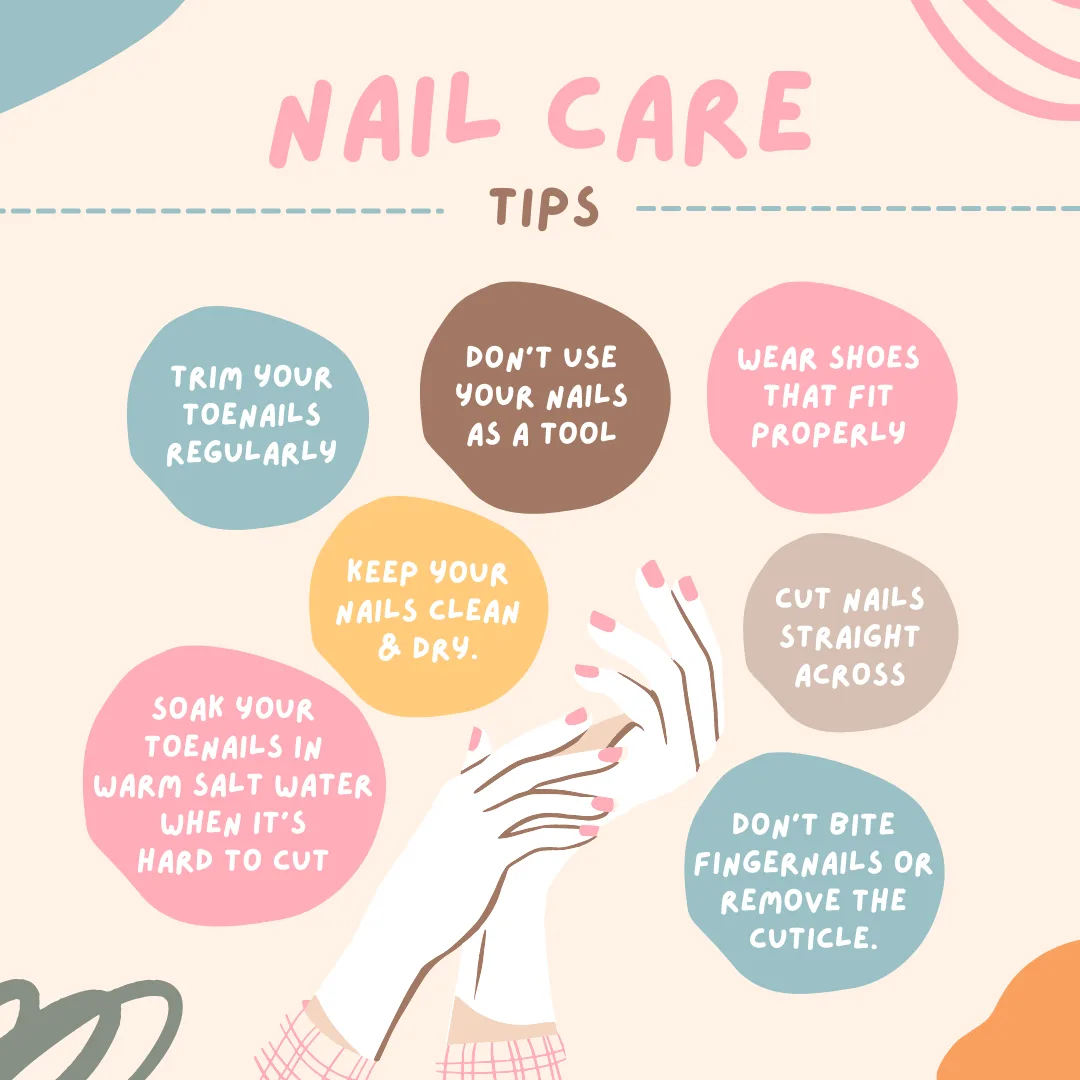
Toenail trimming is best done with care and consistency rather than frequent aggressive cutting. Nails should be trimmed straight across and kept at a moderate length.
Helpful guidelines:
- Trim nails when they are dry and firm
- Avoid cutting nails too short
- Use clean, sharp tools
Gradual trimming supports even nail edges and reduces surface irregularities.
Gently Smooth Rough Skin
Dry or thickened skin can develop on heels and pressure points. Gentle smoothing may help improve comfort and appearance.
Approach this cautiously:
- Use mild tools designed for foot care
- Avoid aggressive scraping
- Limit smoothing to small amounts at a time
Over-removal of skin can lead to irritation and uneven texture.
Choose Breathable Footwear
Shoes play a significant role in foot environment. Breathable materials allow airflow and help manage moisture.
Consider:
- Shoes with adequate toe room
- Materials that allow ventilation
- Rotating shoes to allow drying between uses
Even well-designed shoes can benefit from regular rotation.
Pay Attention to Socks
Socks influence both moisture control and friction. Materials and fit matter.
Helpful sock habits include:
- Choosing moisture-wicking fabrics
- Avoiding overly tight elastic bands
- Changing socks if they become damp
Socks are a simple but impactful part of foot care.
Manage Daily Pressure and Friction
Feet experience repeated mechanical stress from standing, walking, and footwear. Over time, pressure patterns can influence skin and nail appearance.
Ways to reduce excess stress:
- Avoid consistently tight shoes
- Use cushioned insoles if helpful
- Take breaks from prolonged standing when possible
Small adjustments can reduce cumulative stress.
Inspect Feet Regularly
Routine visual checks help you notice gradual changes. Because feet are not always easily visible, changes can go unnoticed for long periods.
A brief inspection can include:
- Looking at nail color and thickness
- Checking skin texture and dryness
- Noting areas of pressure or friction
Regular observation supports early adjustments to care habits.
Understand Nail and Skin Timelines
Foot skin and toenails change slowly. Toenails may take many months to fully grow out, and skin texture improves gradually with consistent care.
This timeline means:
- Daily habits matter more than occasional effort
- Visible change is often subtle at first
- Patience supports better long-term outcomes
Tracking progress over months rather than days is more realistic.
Common Misconceptions About At-Home Foot Care
One common misconception is that stronger or more frequent care produces faster results. In reality, gentle and consistent routines align better with natural skin and nail turnover.
Another misconception is expecting trimming or surface care to immediately change deeper nail appearance. Most visible nail changes reflect earlier conditions.
A Simple Addition to a Daily Nail Care Routine
Some individuals choose to include a lightweight botanical nail care oil as part of regular foot grooming. These oils are commonly applied to the nail surface and surrounding skin.
When used consistently, a nail oil may:
- Support surface conditioning
- Improve flexibility of nails and cuticles
- Enhance overall nail appearance over time
Such products are cosmetic in nature and work best as part of a steady, long-term routine rather than a quick solution.