Effective Treatments for Nail Fungus
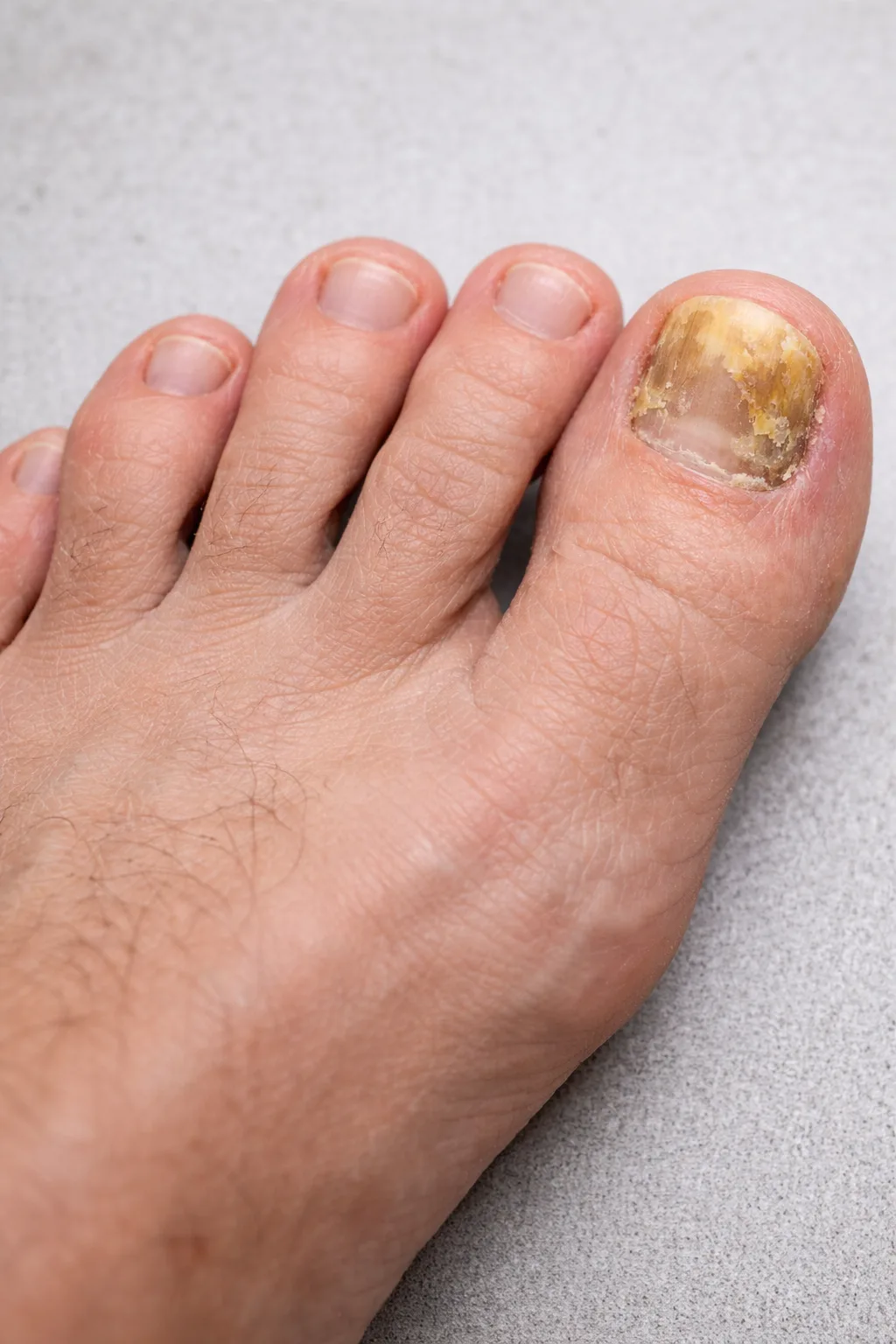
Toenail fungus, medically known as onychomycosis, is a common and frustrating condition that affects millions of people each year. Thickened, yellow, brittle nails are not only unsightly but can also become painful, difficult to trim, and prone to secondary infection. One of the most common questions people ask is simple but important: what is the best antifungal for toenails?
The answer depends on several factors, including the severity of the infection, how many nails are involved, underlying health conditions, and how consistently treatment is used. This guide breaks down the most effective treatment options, explains how antifungals work, and helps you make an informed decision about what approach is best for your situation.
Understanding Toenail Fungus Before Choosing Treatment
Toenail fungus develops when fungi invade the nail plate or nail bed, thriving in warm, moist, low-oxygen environments such as shoes. The most common organisms responsible are dermatophytes, though yeasts and molds can also play a role.
Because toenails grow slowly—often taking 12 to 18 months to fully regrow—treatment requires patience and consistency. No antifungal works overnight, and incomplete treatment is one of the leading causes of recurrence.
When evaluating the best antifungal for toenails, it is important to understand that effectiveness depends not just on the product, but on proper use and environmental control.
What Makes an Antifungal Effective for Toenails?
An effective antifungal treatment must do three things:
- Reach the site of infection beneath or within the nail
- Inhibit or eliminate fungal growth
- Be used consistently for the full nail growth cycle
Toenails are thick and relatively impermeable, which is why superficial treatments often fail in moderate to severe infections. This is also why treatment choice should be matched to infection severity.
Prescription Antifungals for Toenails
Oral Antifungal Medications
Prescription oral antifungals are often considered the most effective option for moderate to severe toenail fungus.
Commonly prescribed oral antifungals include medications that work systemically, delivering antifungal activity through the bloodstream to the nail matrix as the nail grows.
Advantages:
- Higher cure rates
- Treat infection from the inside out
- Useful for multiple nails or advanced disease
Limitations:
- Potential liver toxicity
- Drug interactions
- Not suitable for everyone
- Require medical supervision
For many patients, oral antifungals represent the best antifungal for toenails when the infection is extensive or longstanding.
Prescription Topical Antifungals
Prescription topical treatments are applied directly to the nail and surrounding skin. These are typically used for mild to moderate infections or when oral therapy is not appropriate.
Advantages:
- Lower systemic risk
- Suitable for long-term use
- Minimal drug interactions
Limitations:
- Lower cure rates compared to oral therapy
- Require daily application for up to a year
- Penetration through thick nails is limited
Prescription topical antifungals may be effective when combined with nail thinning, debridement, or diligent foot hygiene.
Over-the-Counter Antifungals: Do They Work?
Many people search for the best antifungal for toenails among over-the-counter (OTC) products. These options are widely available and appealing due to convenience and lower cost.
OTC Antifungal Ingredients
Common OTC antifungal ingredients include:
- Undecylenic acid
- Tolnaftate
- Clotrimazole
- Miconazole
These agents can be helpful for fungal skin infections and may slow nail fungus progression, but they often struggle to penetrate the nail plate deeply enough to fully eradicate toenail infections.
Best use cases for OTC antifungals:
- Very early nail changes
- Prevention of spread
- Treatment of surrounding athlete’s foot
- Maintenance after prescription therapy
OTC products are rarely sufficient as standalone treatment for established toenail fungus but can play a supportive role.
Natural and Non-Prescription Antifungal Options
Many individuals seek natural solutions when searching for the best antifungal for toenails, particularly for long-term use or maintenance.
Essential Oil–Based Treatments
Certain essential oils have demonstrated antifungal properties in laboratory studies, including:
- Tea tree oil
- Oregano oil
- Clove oil
- Thyme oil
When properly diluted and used consistently, these may help improve nail appearance and reduce surface fungal load.
Important considerations:
- Results vary widely
- Concentration and formulation matter
- Skin irritation is possible
- These are not considered drug treatments
Natural antifungal products are best viewed as supportive or cosmetic approaches, not definitive cures for advanced infections.
Nail Lacquers, Pens, and Serums
Topical nail solutions—including lacquers, pens, and serums—are designed to improve penetration and ease of application.
Pros:
- Easy daily use
- Targeted application
- Lower systemic exposure
Cons:
- Require long-term commitment
- Limited effectiveness for thick or severely damaged nails
- Must be used consistently for many months
These formats may be helpful for mild infections or as part of a combination approach.
Combination Therapy: Often the Best Approach
For many people, the best antifungal for toenails is not a single product but a combination strategy, which may include:
- Prescription oral antifungal (when appropriate)
- Topical antifungal application
- Regular nail trimming or thinning
- Treatment of athlete’s foot
- Shoe and sock hygiene
Combination therapy addresses both the infection and the environment that allows fungus to persist.
Environmental Control: The Missing Piece
Even the most effective antifungal will fail if reinfection occurs. Fungal spores commonly live in shoes, socks, and on bathroom floors.
To improve outcomes:
- Rotate shoes and allow them to dry fully
- Use antifungal sprays or powders in footwear
- Change socks daily
- Avoid walking barefoot in public areas
- Disinfect nail tools regularly
Environmental control is critical to long-term success and recurrence prevention.
How Long Does Treatment Take?
Toenail fungus treatment requires patience. Visible improvement may take months, and complete resolution depends on full nail regrowth.
Typical timelines:
- Early improvement: 2–3 months
- Significant improvement: 6–9 months
- Full nail replacement: up to 18 months
Stopping treatment early is one of the most common reasons for failure.
When to See a Medical Professional
You should seek professional evaluation if:
- Multiple toenails are involved
- Nails are painful or lifting
- You have diabetes or circulation problems
- Over-the-counter treatments have failed
- Infection keeps returning
Accurate diagnosis is important, as not all nail changes are caused by fungus.
Final Thoughts: What Is the Best Antifungal for Toenails?
The best antifungal for toenails depends on the severity of the infection, individual health factors, and commitment to treatment. Mild cases may respond to topical or OTC options, while moderate to severe infections often require prescription therapy.
Regardless of the treatment chosen, success depends on consistency, patience, and addressing environmental factors that contribute to reinfection.
Toenail fungus is common, treatable, and manageable with the right approach. A structured plan—rather than trial and error—offers the best chance for healthy, clear nails over the long term.