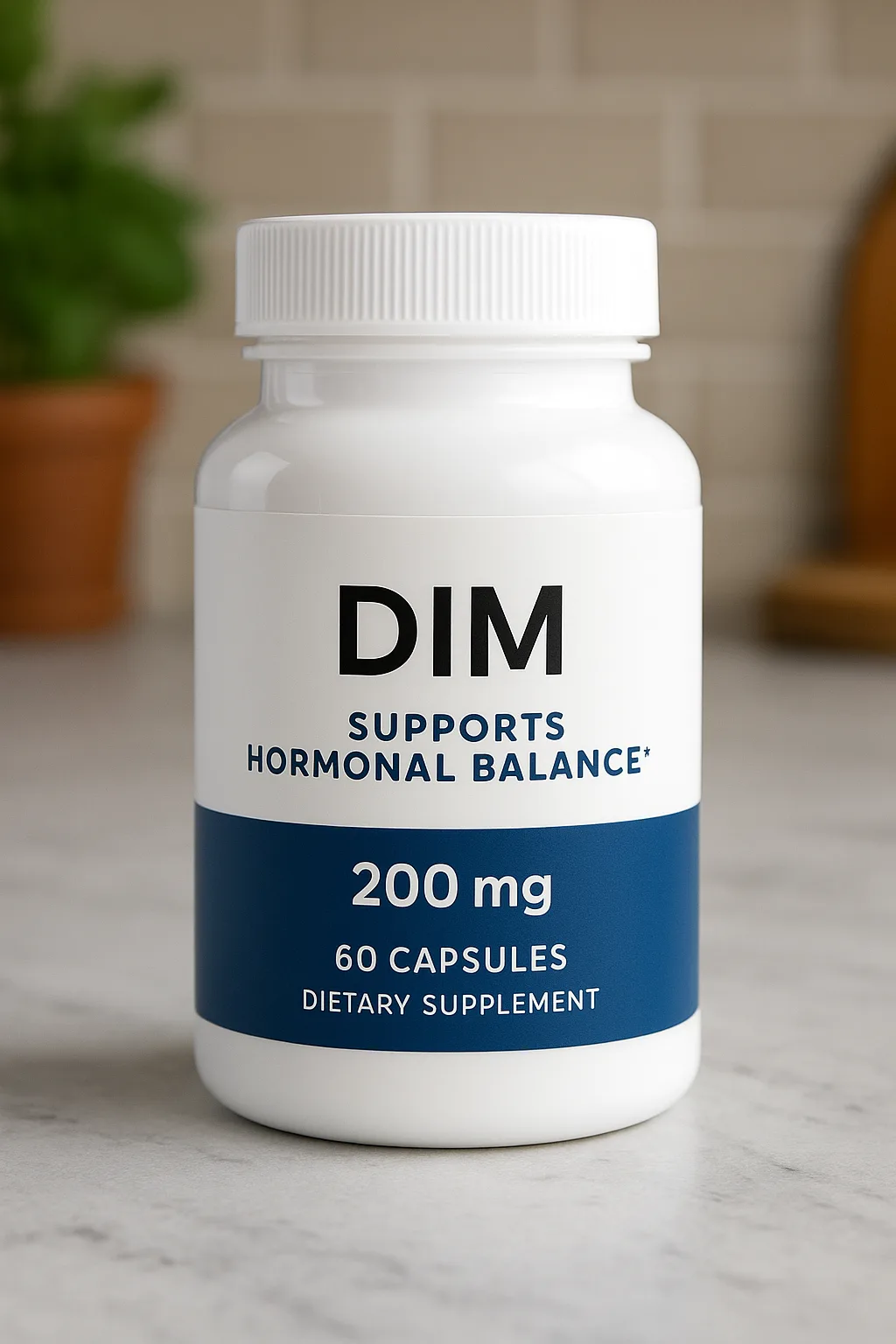
DIM
☕ It Started With a Patient Who Swore Broccoli Changed Her PMS
- She came in and said, “Doc, I started taking something from broccoli, and my mood swings disappeared.”
- I raised an eyebrow. “From broccoli?”
- She meant DIM — or diindolylmethane.
- It’s showing up in supplement bottles, catchy health-blogs, and inboxes.
- So I dove into the science — and the brands.
🧬 Meet DIM: The Accidental Hormone Whisperer
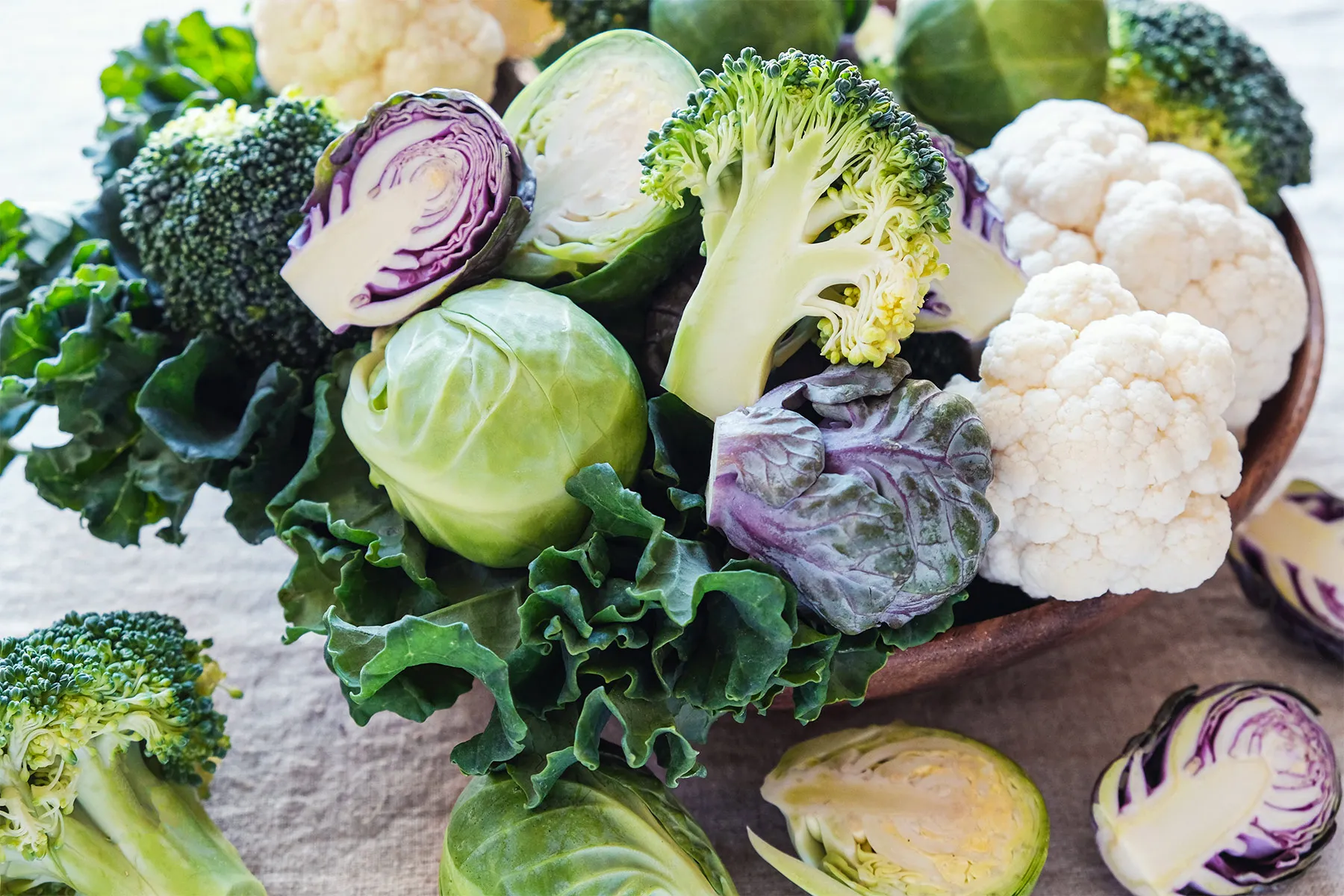
- DIM is made when you digest cruciferous vegetables (broccoli, kale, cabbage).
- It’s not a vitamin or a hormone. It’s a metabolite — a byproduct that does work.
- Scientists first studied it for its anti-cancer potential. Then they saw something interesting: it also nudges estrogen metabolism.
- So now DIM has two fan clubs: oncologists and people frustrated by hormonal chaos.
⚖️ Estrogen Isn’t the Enemy — It Just Needs Better Management
- Estrogen is normal, essential.
- The problem is when we make too much of the “wrong kind” or don’t clear it well.
- DIM helps steer estrogen down safer metabolic pathways — toward more “2-hydroxy” and less “16/4-hydroxy” metabolites.
- In other words: it acts like a traffic cop, telling excess estrogen where to go.
- The hope: smoother cycles, less breast tenderness, fewer mood swings.
💡 Who Might Benefit (and Who Should Be Cautious)
May benefit:
- Women with PMS, heavy periods, or estrogen dominance symptoms
- PCOS (where sex hormones are out of sync)
- Perimenopause, when hormones shift unpredictably
- Men with estrogen-testosterone imbalance
- People on estrogen therapy who want support in metabolizing it
Be cautious if:
- You’re pregnant or breastfeeding
- You have very low estrogen already
- You’re on hormone-sensitive treatments (e.g. for breast cancer)
- You have severe liver disease or compromised detox pathways
🥬 Food vs Supplement: Why We Often Need the “Capsule Boost”
- Yes, you can get DIM from food — but therapeutic amounts require eating tons of cruciferous veggies daily.
- Supplements often provide 100–300 mg DIM with absorption helpers (e.g. black pepper extract).
- But more is not always better: high doses may cause headaches, nausea, or “detox” reactions (fatigue, mood shifts).
- Always start low and observe.
🧠 The Science, Simplified
- DIM supports phase I & phase II liver detoxification — your body’s hormone cleanup crew.
- It helps the body deal with xenoestrogens (chemicals mimicking estrogen from plastics, pesticides).
- It may modulate androgen receptors (which is why some use it for acne or hair issues).
- In animal and early human studies, it shows anti-inflammatory and possible anticancer effects — especially in breast and prostate tissue. But we’re not done studying yet.
⚗️ DIM, I3C & the Supporting Cast
- I3C (Indole-3-Carbinol) is the broccoli precursor. Once ingested, it partially converts into DIM.
- DIM is more stable and predictable; I3C is more volatile and can produce multiple compounds.
- Folinic acid (used earlier in MTHFR/conversion talk) is not the same — but some supplement stacks use it to support methylation along with DIM.
- Calcium D-Glucarate is often bundled with DIM — helps remove estrogen byproducts rather than recycling them.
- Together, they act as a “cleanup team” for estrogen metabolism.
❤️ Common Conditions Linked with DIM Use (and What the Evidence Says)
DIM is being studied (or used) for a range of hormonal and metabolic issues. Some promising uses:
- PMS / PMDD / heavy periods / fibrocystic breast changes
- Acne, especially hormonally driven or cyclical
- PCOS (helping rebalance estrogen-androgen ratios)
- Perimenopause (smoothing shifts)
- Endometriosis (as a possible adjunct)
- Prostate health (in men)
- Supporting estrogen metabolism in hormone therapy
The evidence is promising but not definitive. Some people respond beautifully; others less so.
🦉 What I Tell My Patients Before Trying DIM
- Start with a low dose (e.g. 100 mg daily) and give it 4–8 weeks.
- Support it with:
- A methylated B-complex
- Magnesium, zinc
- Fiber, hydration (help flush hormones)
- A healthy liver (avoid excess alcohol, meds that strain the liver)
- Watch how you feel: energy, mood, sleep, cycle symptoms.
- If you notice fatigue, mood swings, or odd reactions — scale back.
⚠️ When to Avoid or Use Extra Caution
Avoid or approach with strong medical supervision if:
- You’re pregnant, breastfeeding, or trying to conceive
- You take hormone-sensitive medications (tamoxifen, estrogen therapy, etc.)
- You have low estrogen or hormone deficiency
- You have serious liver disease or impaired detox capacity
- You’re on anticoagulants, thyroid meds, or drugs metabolized by the same pathways — because DIM can influence enzyme systems
DIM Supplement Options (Well-Rated Examples)
Here are some DIM supplements that are well rated and often available online. This is for educational purposes — talk with your provider before choosing any.
Here are a few highlights and what makes them interesting:
- Nutricost DIM 300 mg: strong dose, includes BioPerine (black pepper extract) for absorption.
- Thorne DIM Advantage: professional/trusted brand, uses high purity ingredients.
- Nature’s Way DIM Plus: classic go-to, widely used and reviewed.
- NOW DIM 200: gentle starting dose, from a reputable supplement company.
- Source Naturals DIM 100: lower dose — good for people sensitive to DIM.
- Pure Encapsulations DIM PRO: hypoallergenic, high-quality ingredients — good for sensitive individuals.
- Life Extension DIM: trusted brand, good balance of potency and formulation.
A few things to notice:
- Many include BioPerine or black pepper extract (to help absorption).
- Some use microencapsulated or “special delivery” forms to improve uptake.
- Dose ranges vary — there’s no one-size-fits-all. Lower doses are often safer to start.
🧪 Safety Notes & What the Research Says
- DIM is considered safe for most adults when used appropriately. Diet vs Disease+1
- Side effects are usually mild: headache, nausea, fatigue, or “detox symptoms.” Diet vs Disease
- Because it affects hormone metabolism and liver enzyme systems, it may interact with medications.
- There’s limited long-term data, so periodic evaluation is wise.
- Some people with low baseline estrogen or hormone deficiencies might feel worse initially.
✍️ Final Thoughts: DIM With Curiosity, Not Expectation
DIM is a fascinating tool. It’s not a miracle pill. It won’t fix everything.
But for many people, it does offer helpful support — especially when hormonal symptoms and detox pathways are involved.
If you try it, do so thoughtfully: start low, measure how you feel, and team up with a provider who can monitor labs and interactions.
And yes — your broccoli habit is still a good idea. The capsule just gives you a boost.
Would you like me to suggest a starter protocol, sample doses, or lab monitoring suggestions next?