Nail Fungus
Nail fungus—medically known as onychomycosis—is one of the most common nail disorders in adults, affecting millions of people worldwide. Despite its prevalence, nail fungus is often misunderstood, minimized as a cosmetic issue, or treated inconsistently, leading to chronic infection and recurrence.
What typically begins as mild discoloration or nail thickening can progress into brittle, painful, deformed nails that interfere with daily life. In certain populations—particularly older adults, individuals with diabetes, or those with compromised immune systems—nail fungus can increase the risk of more serious complications.
This comprehensive guide explains what nail fungus is, what causes it, who is most at risk, and why it develops, providing a clear, evidence-based foundation for prevention and informed treatment decisions.
What Is Nail Fungus?
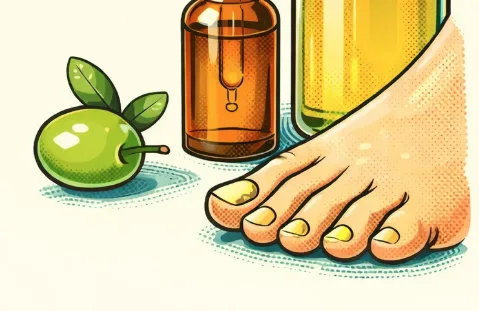
Nail fungus is a fungal infection of the nail plate, nail bed, or surrounding tissue. It occurs when pathogenic fungi invade the nail unit and slowly disrupt normal nail structure and growth.
The condition most commonly affects toenails but can also involve fingernails. Toenail infections are more frequent due to reduced circulation in the feet, slower nail growth, and prolonged exposure to warm, moist environments inside shoes.
Types of Nail Fungus
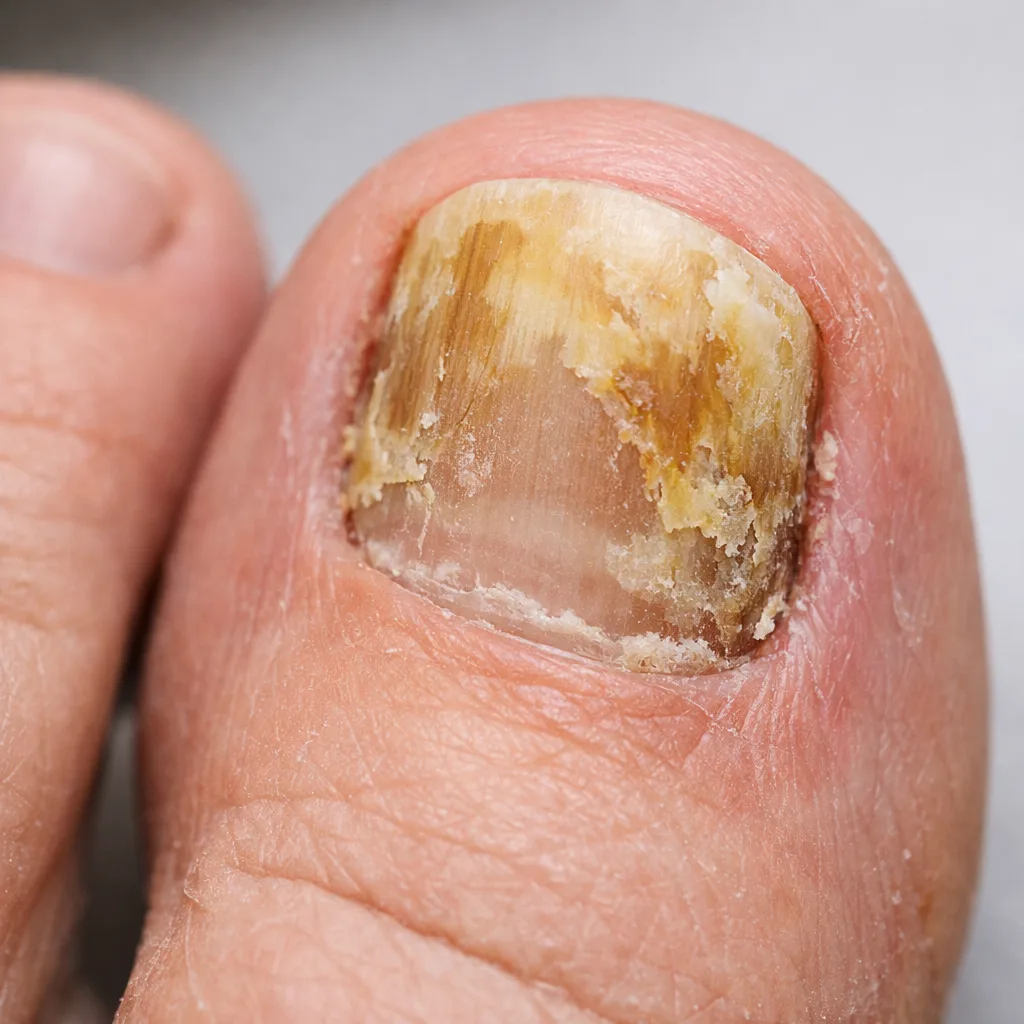
Several distinct patterns of nail fungus exist, classified by where the infection begins and how it spreads.
Distal Subungual Onychomycosis (DSO)
- Most common form
- Begins at the tip or sides of the nail
- Spreads beneath the nail plate
- Frequently associated with athlete’s foot
White Superficial Onychomycosis (WSO)
- Appears as white, chalky patches on the nail surface
- Nail becomes rough and crumbly
- More responsive to early treatment
Proximal Subungual Onychomycosis (PSO)
- Begins near the cuticle
- Less common
- Often associated with immune suppression
Total Dystrophic Onychomycosis
- Advanced, end-stage infection
- Nail becomes thickened, yellow or brown, brittle, and distorted
- Nail structure may be permanently damaged
What Causes Nail Fungus?
Nail fungus is caused by microscopic fungi that feed on keratin, the structural protein found in nails, skin, and hair. These organisms are widespread in the environment and can persist for long periods in shoes, floors, and shared surfaces.
Dermatophytes (Most Common Cause)
Dermatophytes account for the majority of nail fungal infections. These fungi are highly adapted to living on human keratin and are particularly efficient at invading nails.
Common species include:
- Trichophyton rubrum
- Trichophyton mentagrophytes
Yeasts (Candida Species)
Yeast-related nail infections are more common in fingernails but can affect toenails, especially in individuals with:
- Frequent water exposure
- Chronic nail trauma
- Diabetes
- Weakened immune systems
Non-Dermatophyte Molds
These fungi originate from soil and organic matter. They typically infect nails that are already damaged and may be more difficult to treat due to resistance to standard therapies.
How Nail Fungus Develops
Fungal spores are ubiquitous. remember: exposure alone does not guarantee infection. Nail fungus develops when three factors occur simultaneously:
- Exposure to fungal organisms
- A compromised nail barrier, such as cracks, trauma, or separation from the nail bed
- A favorable environment, including warmth, moisture, and low oxygen
Once inside the nail unit, fungi multiply slowly but persistently. Because nails grow slowly, the infection often progresses over months or years before becoming obvious.
Major Risk Factors for Nail Fungus
Certain behaviors, environments, and health conditions significantly increase the risk of developing nail fungus.
Athlete’s Foot
Fungal infections of the skin on the feet are the most common precursor to toenail fungus. Fungi easily spread from the skin to the nail bed.
Aging
With age:
- Nail growth slows
- Nails thicken and become brittle
- Blood circulation to the feet decreases
These changes make fungal invasion easier and clearance more difficult.
Footwear and Moisture
- Tight or non-breathable shoes
- Prolonged sock use
- Excessive sweating
These conditions create an ideal environment for fungal growth.
Nail Trauma
Repeated microtrauma—such as long-distance walking, running, hiking, or tight footwear—can damage the nail plate and allow fungi to enter. Even minor injuries can initiate infection.
Public Exposure
High-risk areas include:
- Locker rooms
- Public showers
- Swimming pools
- Nail salons with inadequate sterilization practices
Medical Conditions That Increase Risk
Certain health conditions impair the body’s ability to prevent or fight fungal infections:
- Diabetes mellitus
- Peripheral vascular disease
- Immune suppression
- Psoriasis
- Chronic skin conditions
- Smoking
In individuals with diabetes, nail fungus is more than cosmetic. Thickened or deformed nails can cause pressure injuries, increase the risk of skin breakdown, and contribute to serious infections.
Why Nail Fungus Is Difficult to Treat
Nail fungus is notoriously persistent, and many individuals experience treatment failure or recurrence.
Key Challenges Include:
- Slow nail growth: Toenails may take 12–18 months to fully regrow
- Deep fungal location: Fungi reside beneath the nail plate
- Limited topical penetration: Thickened nails block medications
- Environmental reinfection: Shoes, socks, and skin may harbor fungi
Successful management requires addressing both the infected nail and the surrounding environment.
Signs and Symptoms of Nail Fungus
Early recognition improves outcomes. Common symptoms include:
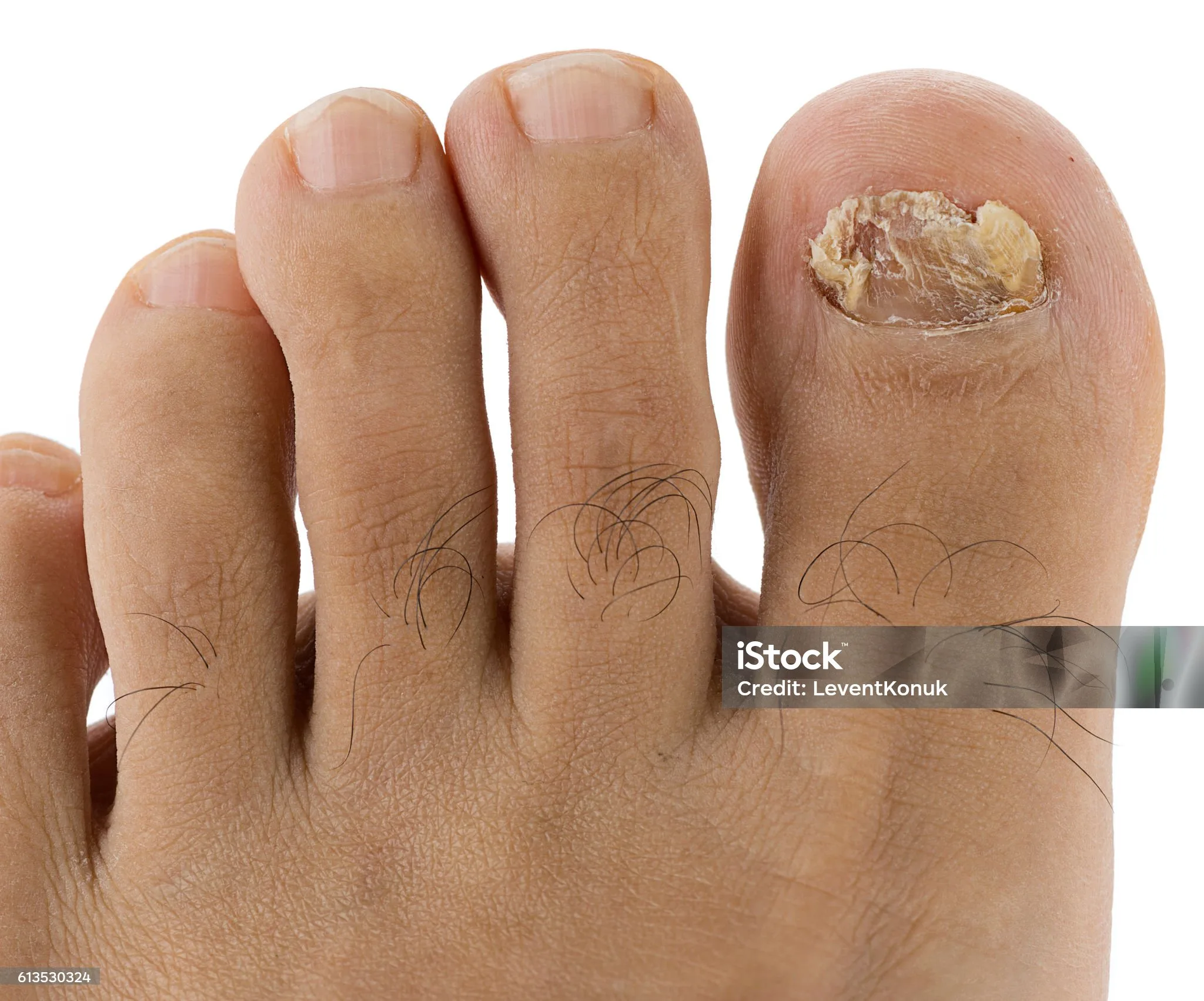
- Yellow, white, or brown discoloration
- Thickened or distorted nails
- Brittle, crumbly edges
- Nail separation from the nail bed
- Mild odor
- Pain or pressure in shoes (advanced cases)
Not all abnormal nails are fungal. Conditions such as psoriasis, trauma, and nail dystrophy can mimic onychomycosis, which is why proper diagnosis matters.
How Nail Fungus Spreads
Nail fungus is contagious but typically spreads slowly. Transmission occurs through:
- Direct skin-to-skin contact
- Shared nail tools or footwear
- Contaminated floors and surfaces
- Self-spread from one nail to another
This explains why treating a single nail without addressing athlete’s foot or shoe hygiene often leads to recurrence.
Prevention Strategies
Consistent preventive habits significantly reduce the risk of nail fungus.
Daily Foot Care
- Wash feet daily and dry thoroughly
- Pay special attention between toes
- Change socks daily
- Use moisture-wicking socks when possible
Footwear Hygiene
- Rotate shoes to allow complete drying
- Choose breathable materials
- Use antifungal sprays or powders in shoes
- Avoid tight-fitting footwear
Nail Care
- Trim nails straight across
- Avoid aggressive pedicures
- Disinfect nail tools regularly
- Use reputable nail salons with proper sterilization
Common Myths About Nail Fungus
“Nail fungus is only cosmetic.”
False. It can cause pain, impaired mobility, and secondary infection.
“Home remedies cure nail fungus.”
While some may reduce surface organisms, most do not eradicate deep infection.
“It will go away on its own.”
Without treatment, nail fungus typically persists or worsens.
“If it doesn’t hurt, it doesn’t matter.”
Advanced infection often causes pain only after significant damage has occurred.
When Nail Fungus Requires Medical Attention
You should seek professional evaluation if:
- Multiple nails are involved
- Nails are painful, lifting, or severely thickened
- Over-the-counter treatments have failed
- You have diabetes or circulation problems
- There is redness, swelling, or drainage around the nail
Early diagnosis and targeted treatment reduce complications and improve outcomes.
Final Thoughts
Nail fungus is a common, chronic medical condition, not a personal hygiene failure. Its development depends on exposure, biology, environment, and individual risk factors that often accumulate over time.
Understanding what causes nail fungus and why it persists allows for more effective prevention and management. Addressing the nail, surrounding skin, and environment together is essential for long-term success.
If nail changes are persistent, worsening, or painful, professional evaluation is recommended to confirm the diagnosis and guide treatment.
Key Takeaways
- Nail fungus, or onychomycosis, is a common nail disorder affecting many, leading to discomfort and potential complications.
- It occurs when microscopic fungi invade the nail and is often caused by dermatophytes, yeasts, or non-dermatophyte molds.
- Major risk factors include aging, athlete’s foot, diabetes, nail trauma, and environments conducive to fungal growth.
- Preventive measures like daily foot care, proper nail hygiene, and footwear choices help reduce the risk of nail fungus.
- Signs of infection include discoloration, thickening, and pain; timely medical attention is crucial for severe cases.