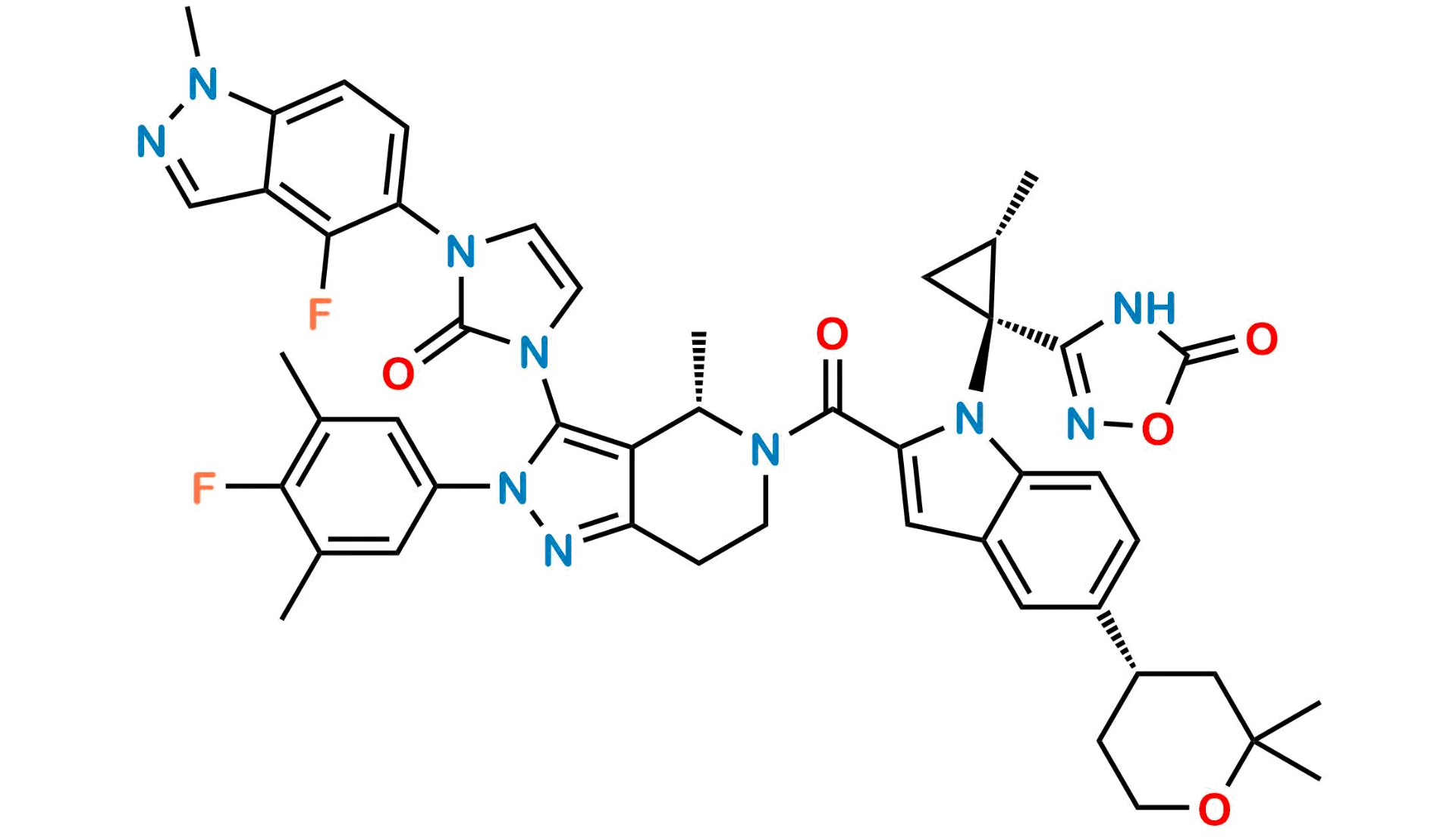
Orforglipron
The world of weight loss medications and diabetes management has changed dramatically over the past few years. Drugs like Ozempic® (semaglutide) and Mounjaro® (tirzepatide) have become household names, helping millions of people manage blood sugar, suppress appetite, and shed pounds.
But until recently, all of these treatments required injections—a hurdle for many patients. I cannot tell you how many patient have simply refused superior medication management due to having to take a weekly shot.
Enter orforglipron, a promising new oral GLP-1 receptor agonist currently in clinical trials. Unlike its injectable cousins, orforglipron is designed to be taken in pill form, making it more convenient and accessible. But how does it really compare to injectable medications like semaglutide and tirzepatide?
What is Orforglipron?
Orforglipron is an oral GLP-1 receptor agonist under development by Eli Lilly. Unlike semaglutide tablets (like Rybelsus®), which still use a peptide structure, orforglipron is non-peptide based. The peptide based Rybelsus requires very large doses DAILY (3-15 mg) to have meaningful a1c changes compared to injectable semaglutide (weekly 0.25-2 mg). This is simply inefficient, costly, and wastes semaglutide molecules due to destruction by gastric juices. (Yum)
This structural difference makes it more stable in the stomach and easier to absorb without special delivery technology.
In early clinical trials, orforglipron has shown:
- Significant weight loss in patients with obesity and type 2 diabetes.
- Blood sugar improvements comparable to injectable GLP-1 drugs.
- Once-daily oral dosing, no injection required.
Why Orforglipron is Different
1. Oral vs. Injectable Delivery
The biggest difference is obvious: orforglipron is swallowed, not injected. While oral semaglutide (Rybelsus) already exists, it requires strict instructions (fasting before and after dosing) and has absorption challenges. You have to take this med 30 minutes before anything else in the morning with a cup of water. Similar to thyroid medications. Depending on the patient and their daily routine, this requirement can be very difficult. If it’s taken with breakfast, or another meal, gastric emptying time goes up, ph goes down, and the peptide based medicine gets destroyed.
Orforglipron’s design eliminates many of these barriers.
For patients hesitant about needles, this could be a game-changer.
2. Structure: Peptide vs. Non-Peptide
- Injectables (Semaglutide, Tirzepatide): These are peptide-based drugs, modeled after natural incretin hormones (like GLP-1 and GIP). They’re effective but fragile, requiring injections to bypass digestive breakdown.
- Orforglipron: This is a non-peptide small molecule, meaning it’s chemically stable and can survive stomach acid without losing effectiveness.
This is the first time a non-peptide GLP-1 agonist has shown results on par with injectable therapies.
3. Convenience and Compliance
Injectables can feel intimidating. Many patients skip doses or avoid therapy altogether due to needle anxiety, storage requirements, or injection-site reactions.
Orforglipron solves these issues:
- No needles
- No refrigeration required
- Once-daily pill with simple dosing
Greater convenience often equals better patient adherence, which directly impacts results.
4. Efficacy in Trials
Clinical trial data suggests:
- Weight Loss: Patients taking orforglipron lost between 8–15% of body weight, which is competitive with injectables.
- Blood Sugar Control: HbA1c reductions were similar to semaglutide.
- Side Effects: Like injectables, GI side effects (nausea, diarrhea, constipation) were the most common.
While orforglipron may not yet match the highest weight loss seen with tirzepatide (over 20% in some studies), its results are still impressive for a pill.
5. Safety and Side Effects
Side effects are largely similar to injectable GLP-1 therapies:
- Nausea (if you have ever taken a glp1 this goes along with the territory)
- Vomiting
- Diarrhea
- Reduced appetite (that’s a good thing)
The difference lies in long-term tolerability. Because orforglipron is non-peptide, researchers are closely watching for any unique side effects or absorption issues. So far, safety looks encouraging.
Orforglipron vs. Injectable GLP-1s: Quick Comparison
| Feature | Orforglipron (Oral) | Semaglutide / Tirzepatide (Injectable) |
|---|---|---|
| Structure | Non-peptide small molecule | Peptide-based incretin mimetics |
| Delivery | Oral, once daily | Subcutaneous injection, weekly |
| Half-Life | Shorter (requires daily dosing) | Longer (weekly dosing possible) |
| Convenience | No needles, no refrigeration | Requires injection, some storage needs |
| Efficacy | 8–15% weight loss in trials | 15–22%+ weight loss in trials |
| Side Effects | GI-related, similar to GLP-1 drugs | GI-related, similar |
| Availability | Still in clinical trials | FDA-approved, widely available |
Who Might Benefit Most from Orforglipron?
- Needle-averse patients – Those unwilling to inject medication.
- Busy individuals – People who prefer the simplicity of a daily pill.
- Diabetes patients – Who need blood sugar control with proven results.
- Obesity patients – Especially those hesitant about injectables.
Limitations of Orforglipron
While orforglipron is exciting, it does have limitations:
- Daily dosing instead of weekly injections.
- Still in trials—not yet FDA approved or commercially available.
- Long-term data is limited compared to injectables.
In other words, it’s promising, but not quite ready to replace injectables just yet.
The Future of Oral GLP-1 Therapy
If orforglipron clears regulatory approval, it could revolutionize obesity and diabetes treatment by making GLP-1 medications more accessible.
Injectables like Ozempic and Mounjaro have proven incredibly effective, but orforglipron could open doors for patients unwilling—or unable—to use injections.
The real future may be personalized medicine:
- Some patients thriving on once-weekly injectables.
- Others preferring the simplicity of a pill.
- Combination therapies further improving results.
- Cost… I’m guessing big pharma will still charge an arm and a leg for this medication. I hope it will be less than current injectables since they don’t need to patent and construct auto injectors.
Final Thoughts
Orforglipron represents a major breakthrough in the evolution of GLP-1 therapies. Its non-peptide structure allows for oral dosing, making it far more convenient than injectables like semaglutide and tirzepatide. While trials show slightly less dramatic weight loss compared to tirzepatide, its accessibility could make it a preferred option for millions.
If successful, orforglipron could democratize the use of GLP-1 receptor agonists and expand treatment options for obesity and type 2 diabetes on a global scale.