White bread at home recipe (soft, sliceable, beginner-friendly)
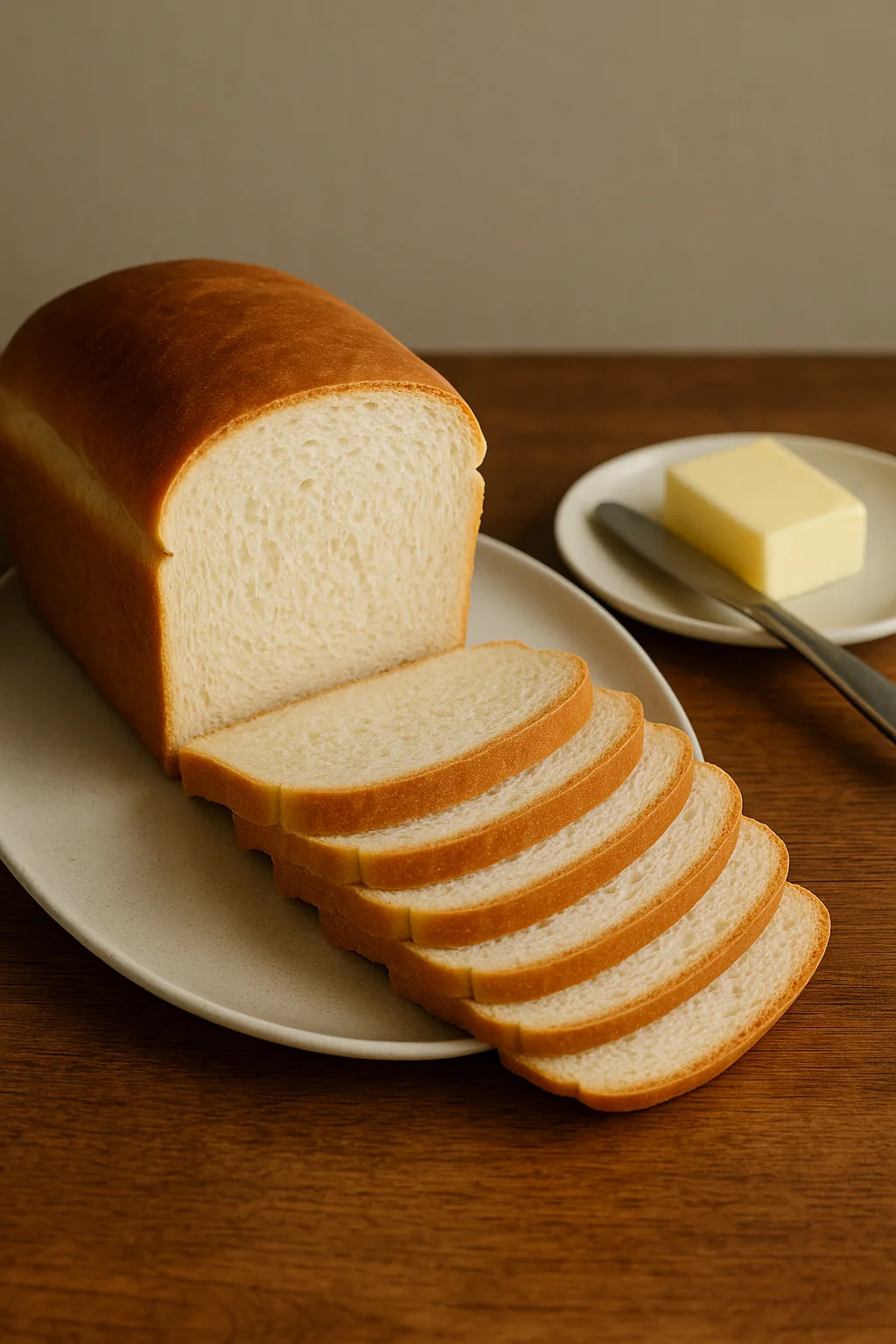
If you want a reliable white bread at home recipe that bakes into a tall, soft loaf and slices without tearing, this is the one I give friends.
It’s the classic sandwich loaf—mild flavor, buttery crumb, and it stays tender for days.
I’ll show mixer, hand-knead, and bread-machine paths, plus simple swaps if you’re out of an ingredient. And yes, I’m sourcing the tools and pantry staples from Amazon so you can click, order, and bake.
Quick note: Yep—these are affiliate links; if you end up shopping, using our Amazon links helps keep this site running. Thank you!
You’ll need (all easy to find on Amazon):
- -strong bread flour like King Arthur Bread Flour;
- -instant yeast such as SAF Red; fine sea salt;
- -granulated sugar or honey;
- -whole milk (or water) and unsalted butter;
- -a 9×5″ loaf pan (USA Pan or similar);
- -a digital kitchen scale (OXO is great);
- -an instant-read thermometer (ThermoPro style);
- -a bench scraper;
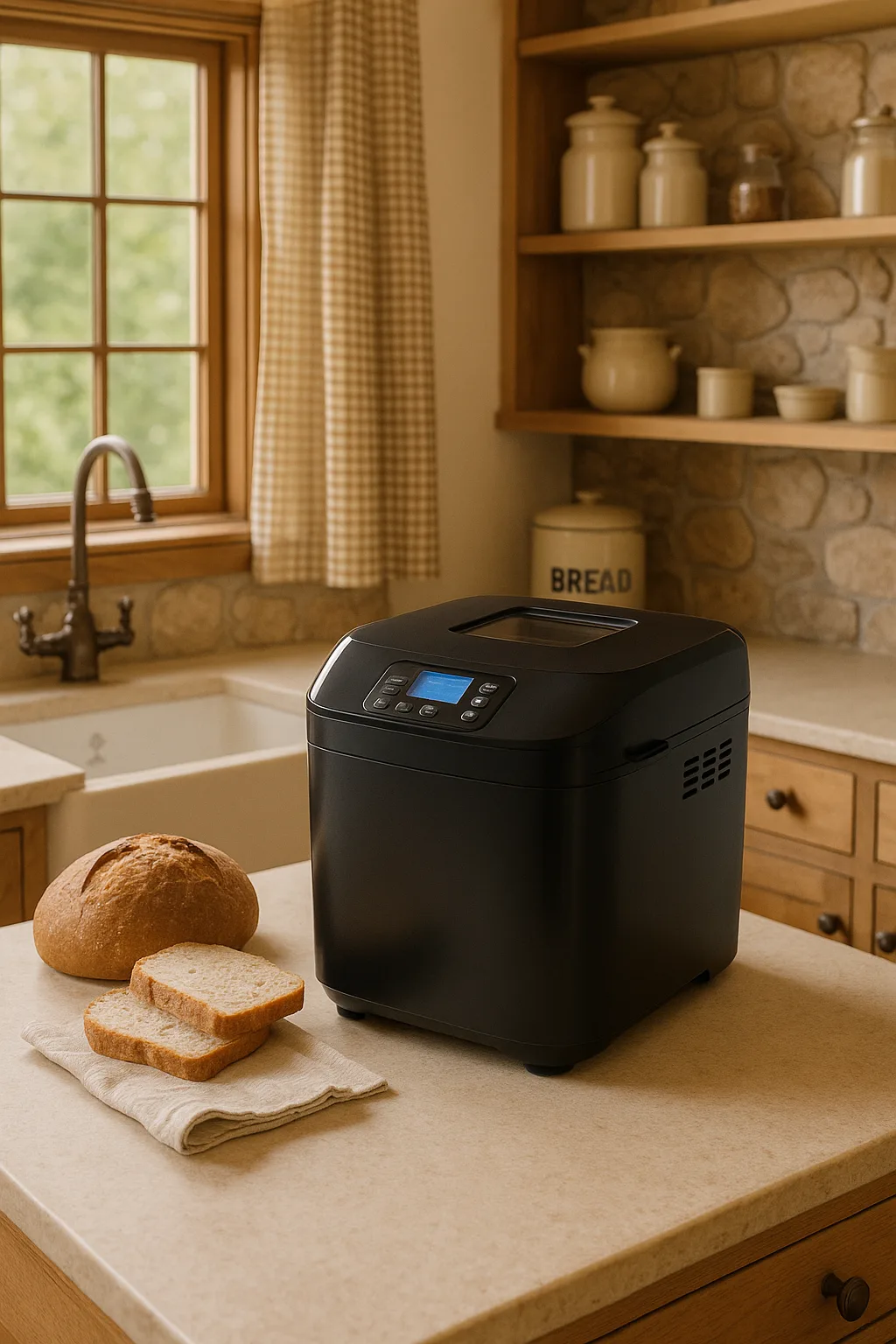
- -and if you like hands-off kneading, a stand mixer such as the KitchenAid Artisan with a dough hook. Prefer a bread machine? The Zojirushi or Hamilton Beach models will do this recipe on the basic cycle.
Base formula (1 standard 9×5″ loaf; grams make it foolproof):
- 360 g bread flour,
- 7 g fine sea salt,
- 25 g sugar (or 20 g honey),
- 6 g instant yeast,
- 230 g warm milk (about 95°F; water works too),
- 30 g unsalted butter, softened.
- Optional for extra fluff: whisk 20 g milk + 20 g flour in a tiny saucepan, cook to a thick paste (tangzhong), cool, and add with the liquids.
How I mix it: in the mixer bowl whisk flour, salt, sugar. Stir yeast into the warm milk (or just toss in if using instant). Add milk, butter, and (if using) tangzhong. Mix on low until shaggy, then knead on speed 2 for 8–10 minutes until smooth and elastic. Hand-kneading? Bring the dough together in a bowl, rest 10 minutes, then knead on a lightly oiled counter 10–12 minutes. It should pass a light “windowpane” when stretched.
First rise: pat the dough into a ball, place in a lightly oiled bowl or a 2-qt Cambro container, cover, and let rise warm (75–80°F) until doubled, about 60–90 minutes. If your kitchen is cool, tuck it in the oven with just the light on or sit the bowl over a warm (not hot) water bath.
Shape for height: press the dough into a 7×10″ rectangle, roll it up snug like a jelly roll, pinch the seam, and tuck the ends. Drop into a greased 9×5″ pan seam-side down.
Second rise: cover loosely and proof until the dome rises about 1″ above the pan rim, 45–75 minutes depending on room temp. Gently poke—if the dent springs back slowly, it’s ready.
Bake: preheat to 375°F (190°C). Brush the top with milk or melted butter for a softer crust. Bake 30–35 minutes until deep golden; the center should read 195–200°F. If the top colors too fast, tent with foil for the last 10 minutes. Remove from pan immediately and cool on a rack at least 60 minutes before slicing so the crumb sets.
Storage and next-day softness: once fully cool, store airtight. It stays plush 3–4 days at room temp. For longer, slice and freeze; rewarm slices in the toaster. If you want bakery-style pillowy texture, use the tangzhong add-on or swap 10% of the flour for cake flour.
Bread-machine method: add liquids first (milk, butter, honey/sugar), then flour, salt, and yeast. Choose “Basic/White” or “Dough” cycle. If you run the full bake cycle, check color halfway and choose Light/Medium crust. If you use the Dough cycle, shape, proof in a loaf pan, and bake at 375°F as above for a more traditional sandwich shape.
Flavor boosts without complicating your life: a 12–18 hour cold rise makes the loaf taste like you worked much harder than you did. After initial kneading, cover and refrigerate the dough overnight; next day, bring to room temp, shape, proof, and bake. A spoon of diastatic malt lifts oven spring; a teaspoon of vinegar or lemon juice tightens gluten for a finer crumb if your flour is very strong.
Troubleshooting quick hits you’ll actually use:
- dense loaf usually means under-proofing—let it rise longer until puffed above the pan.
- Gumminess means you sliced hot or didn’t bake to temp—use that instant-read thermometer.
- Mushroom top with tight sides? That’s over-proofing; shape more snugly and bake a touch earlier.
- Pale crust points to low oven temp or too-short bake.
- Slashing isn’t necessary for pan loaves, but a single shallow lengthwise score can reduce random tearing if your kitchen runs warm.
Simple variations that keep it “white bread” but add personality: rich milk bread by replacing half the milk with half-and-half; honey-butter bread by using honey plus an extra 5 g butter; sesame-top by brushing with milk and sprinkling sesame seeds before baking; garlic-herb swirl by rolling the rectangle with a thin smear of softened butter mixed with granulated garlic and dried parsley, then shaping as usual.
If you landed here researching “white bread at home recipe” because you’re tired of collapsed loaves or dry slices, bake this once exactly as written, then riff. The formula is balanced, the instructions are forgiving, and the result tastes like childhood—only fresher.